 By Cameron Lee
March 5, 2026
There aren’t many family-owned businesses in Charlotte that have lasted nearly seven decades — even fewer that have survived in an industry as fast-moving as photography and video. But Biggs Camera has done exactly that.
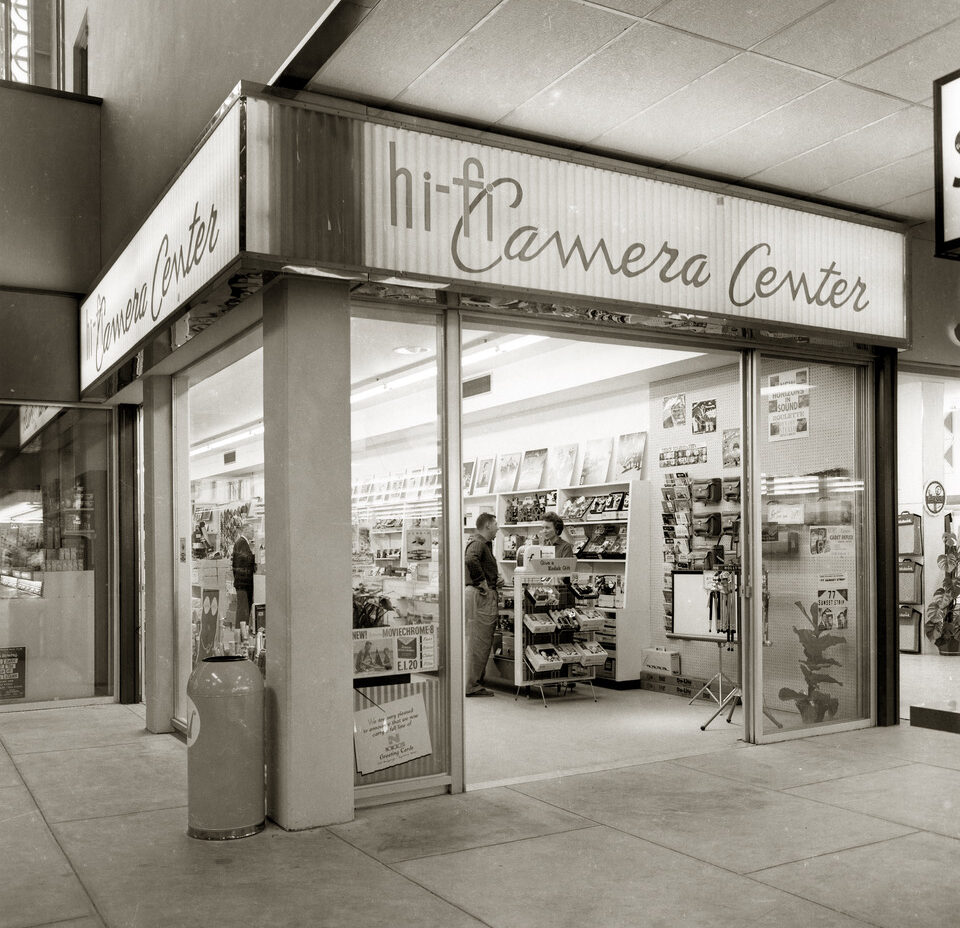
Originally opened in 1959 by Neil Biggs as Hi-Fi Camera Center in Charlottetown Mall, the business emerged during a period of major transformation in Charlotte. As the city shifted after World War II from a manufacturing and agriculture-based economy into a rapidly growing Southern banking hub, suburban consumer culture began to flourish, and Biggs Camera became part of that retail boom.

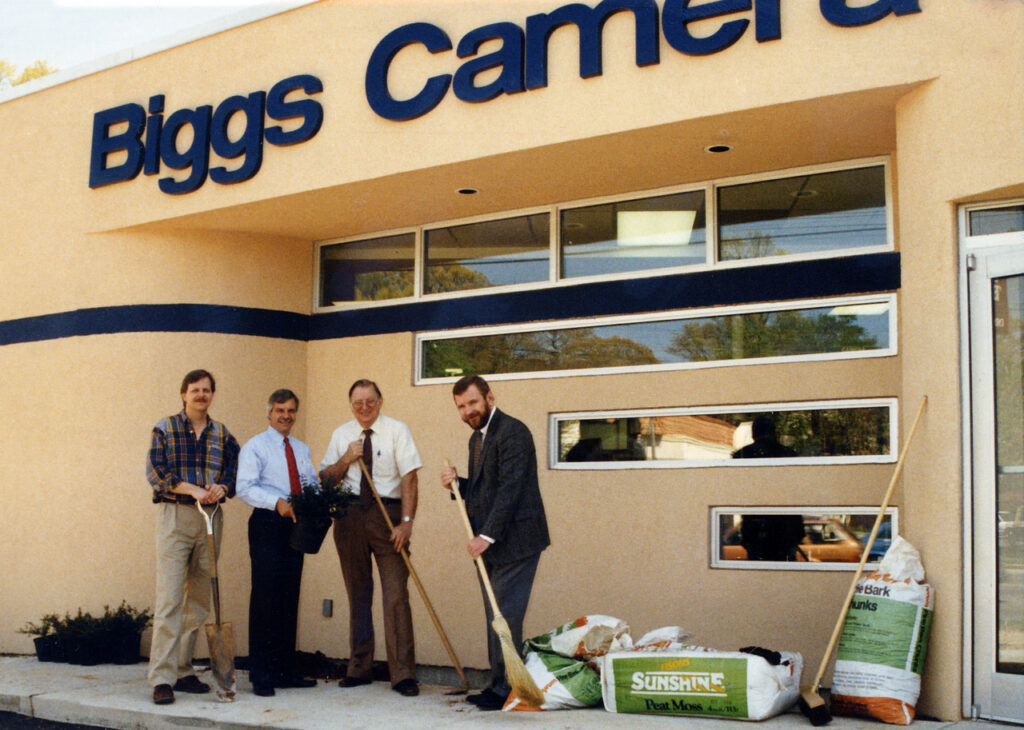
In the late ‘80s, as Charlottetown Mall fell into decline, Hi-Fi Camera Center transitioned into Biggs Camera and moved to its current location at 805 South Kings Drive. Founder Neil Biggs, who passed away in late 2020 at the age of 94, brought a creative background to the business long before opening the store, working as a photographer, printer, and graphic designer for Esso (now ExxonMobil), developing technical and visual skills that would later define the shop’s customer-first philosophy.
From the beginning, Biggs sold more than cameras. The store carried photography equipment, film processing services, and hi-fi audio gear, helping modernize Charlotte’s photography retail market. Biggs was among the first in the region to introduce same-day film processing and later helped pioneer one-hour photo turnaround services — innovations that helped reshape the local commercial landscape.

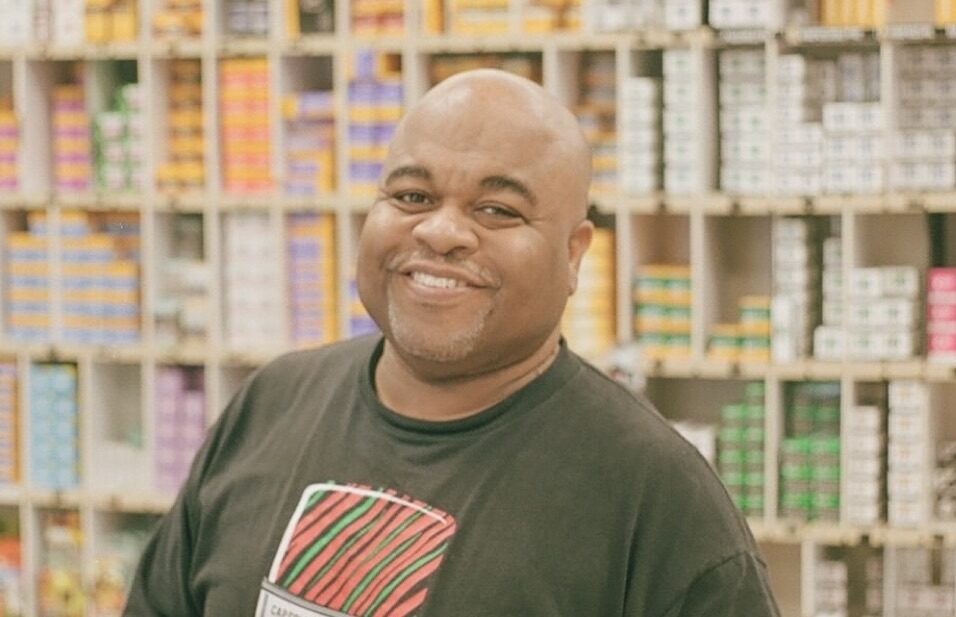
Shortly before digital photography began shifting the industry in the early ‘90s, current general manager Troy Tomlinson joined Biggs. Fresh out of high school, Tomlinson arrived with some prior experience from a camera store in Frostburg, Maryland. At the time, Biggs was one of several photography retailers competing across the city.

“We had two other independent camera stores. We had Camera World and Charlotte Camera, and then you had multiple Wolf Cameras all over the city. And then, plus, you know, every drugstore out there processed film as well,” Tomlinson said.
Despite the competition, Biggs built its reputation on technical expertise and customer service — emphasizing accessibility and education for photographers of all skill levels.
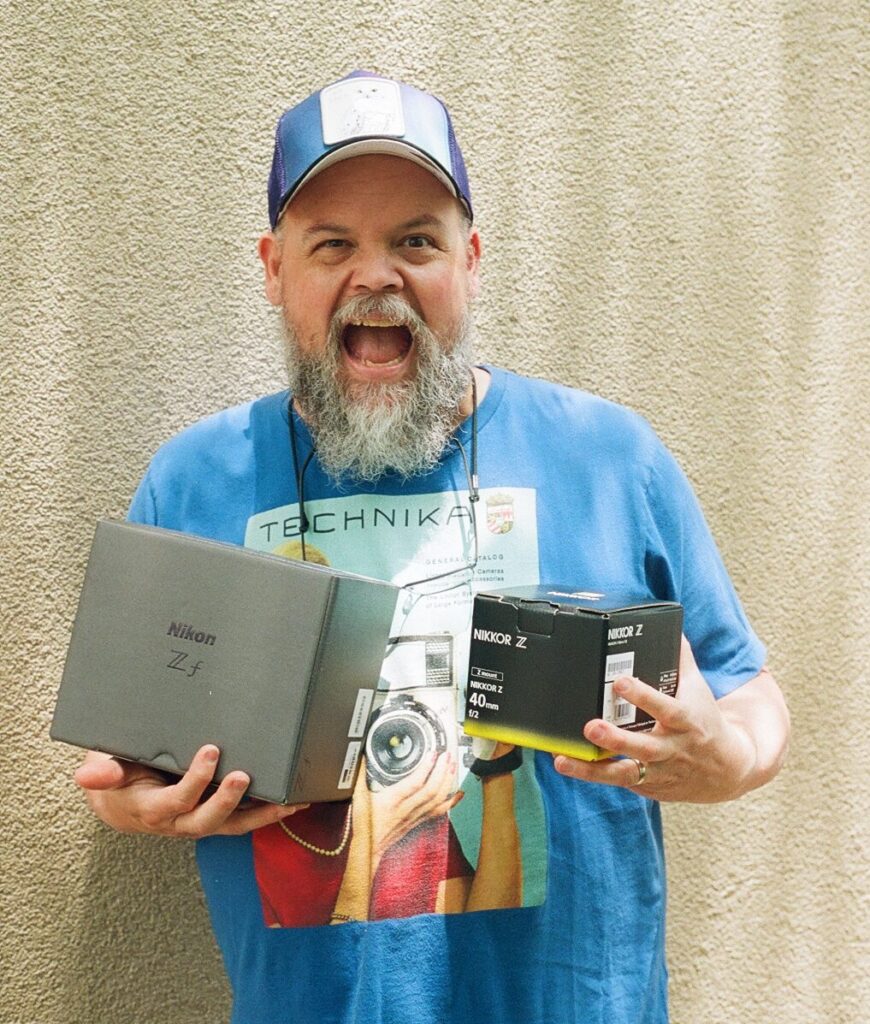
That approach left a lasting impression on current employee, photographer, and social media manager Sarah Bush, before she worked at the store.
“First I was a customer… and I just really just appreciated the way that you are treated there,” Bush said. “I got a film camera at an estate sale and… didn’t know how to use it at all. I didn’t even know how to load it. And I’ll never forget, Joey… was super welcoming, super warm, and didn’t make me feel stupid and showed me how to load the camera.”

Biggs Camera: Built on Service and Community
Biggs Camera has always functioned as more than a retail store — it has served as a hub for Charlotte’s photo and videography community.
Since 2021, the shop has produced “Film Fridays,” a social media series created by staff members Joey and Brandt that highlights the work of local film photographers. When Bush took over social media operations in May 2025, the shop expanded its digital storytelling, featuring more local artists with personal captions written in their own words.

“I think that the reason Biggs has really lasted is because of our community… we just wouldn’t be anything without our community,” Bush said. “And I feel like the best way to give back to the community is just by highlighting the different artists… which can be kind of difficult because there’s so many. I just feel like that’s the backbone of Biggs.”

The result is a visual archive of Charlotte’s talent — a sprawling collection of images spanning different film stocks, camera formats, and artistic styles that reflects the region’s growing photography culture.
View this post on Instagram
Changing Customers, Changing Culture
Beyond the shift from analog to digital photography, Tomlinson has also witnessed major demographic shifts among customers.
“In the ‘90s, you know, we had… it was an older white male, basically, that was our main clientele. And now it’s a much younger generation for the most part,” Tomlinson said. “We still have the older clientele as well, but the age has definitely gone down quite a bit.”
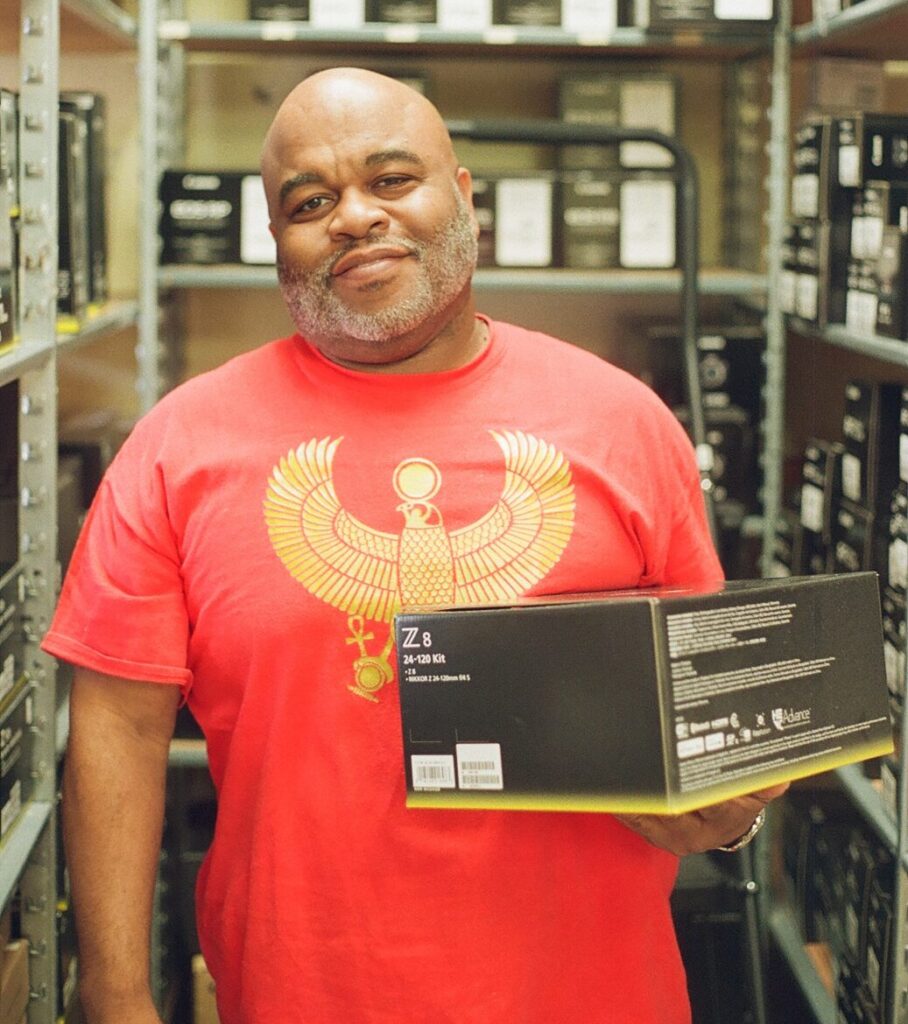
The Biggs team has embraced that change, encouraging photographers of all backgrounds to learn and develop their craft.
“In this day and age where we’re at right now with the given climate where, you know, DEI and all that seems to be put onto the table — we are trying to actually be the opposite of that, and try to help promote diversity and inclusion,” Tomlinson said.
View this post on Instagram
The Resurgence of Film
One of the biggest reasons Biggs Camera has continued thriving is the modern resurgence of film photography.
Tomlinson says the store now processes more film than it did during the peak of the 1990s — nearly 37,000 rolls in 2025 alone.
Film photography has experienced a cultural revival since the mid-2010s, especially among younger photographers and creative communities. Many describe the movement as both nostalgic and more aesthetically pleasing — a reaction to digital oversaturation.

“It’s been in high demand for quite some time. It’s the younger generations kind of taking it over. And, you know, back in the ‘90s, there were tons of places that processed film,” Tomlinson said. “Now we’re one of only two places in the Charlotte area that process.”
Popular films like Kodak Portra 400 remain favorites because of their velvety, organic rendering and forgiving exposure, while Portra 800 is preferred for low-light shooting while maintaining similar color characteristics.
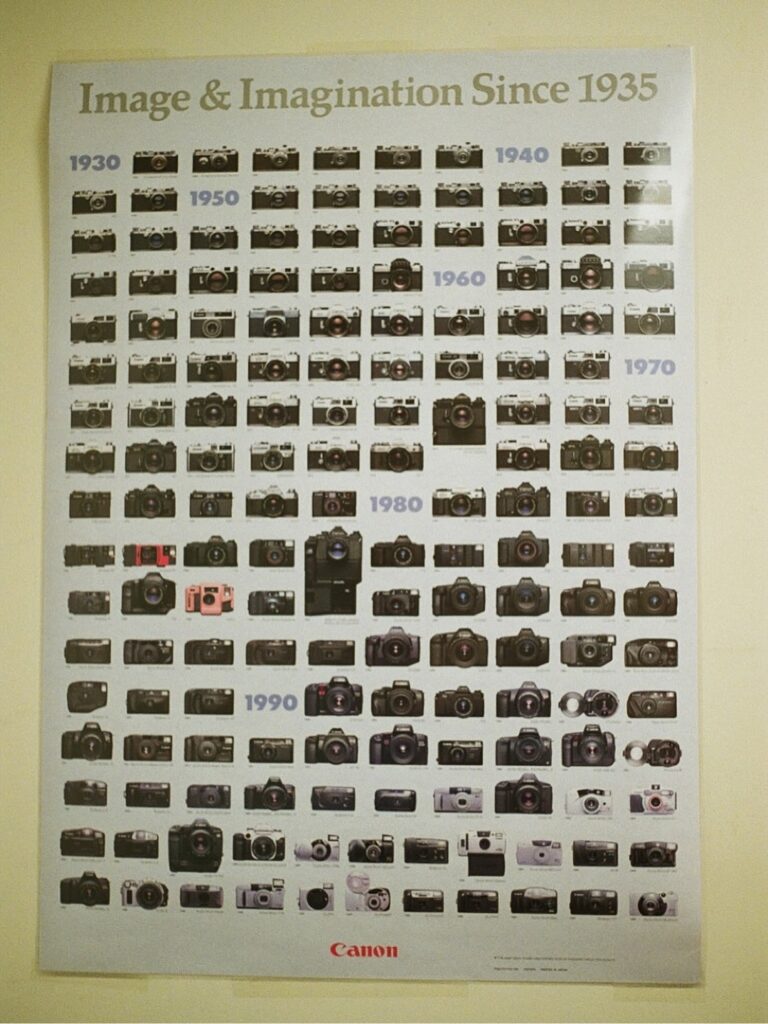
The C-41 process remains the standard chemical method for developing color negative film, and customers are even purchasing 8mm and Super 8 movie film for its nostalgic, grainy look.
Vintage point-and-shoot cameras from the ‘80s, ‘90s, and early aughts have also surged in popularity — including cameras like the Contax T2, popularized in part by celebrities such as Zendaya, as Bush noted.

“People aren’t always looking for the highest resolution images anymore… and I think that’s kind of driven by a younger generation that… just want something that looks a little different,” Tomlinson said.
Moving Forward in a Growing, Ever-Evolving Industry
As the number of photographers in the world continues growing — from hobbyists to professionals to casual creators — Biggs Camera continues to prioritize accessibility and education.
Bush emphasized that social media growth should also support the community that helped build the brand.
“What’s the point of growing [social media] and getting more and more views and more and more eyes, but not bringing people with us that are the reason that it all exists?” Bush said. “It’s a really great way to give back to the people that give so much to us.”

The roughly 10-person staff is largely composed of photographers with diverse creative styles, and their social media reels often demonstrate product knowledge and technical expertise.
While film processing remains a core part of the business, Biggs has always been a full-service photography and videography shop, selling cameras, lenses, accessories, and even drones, while continually adapting to changing times.
For Bush, one of the most important aspects of photography — and the foundation of Biggs Camera — isn’t the equipment and product at all, it’s comfort.
“The main thing is, people need to be comfortable and respected, and that’s it,” Bush said. “It doesn’t matter the gear, the lens, or the location. Is there good energy between the two people? Is there respect between the two people? Then it’s gonna be the best result that it could possibly be.”
Biggs Camera
805 S. Kings Dr.
Charlotte, NC 28204
(704) 377-3492
View this post on Instagram

Read next: