 By Cameron Lee
November 5, 2026
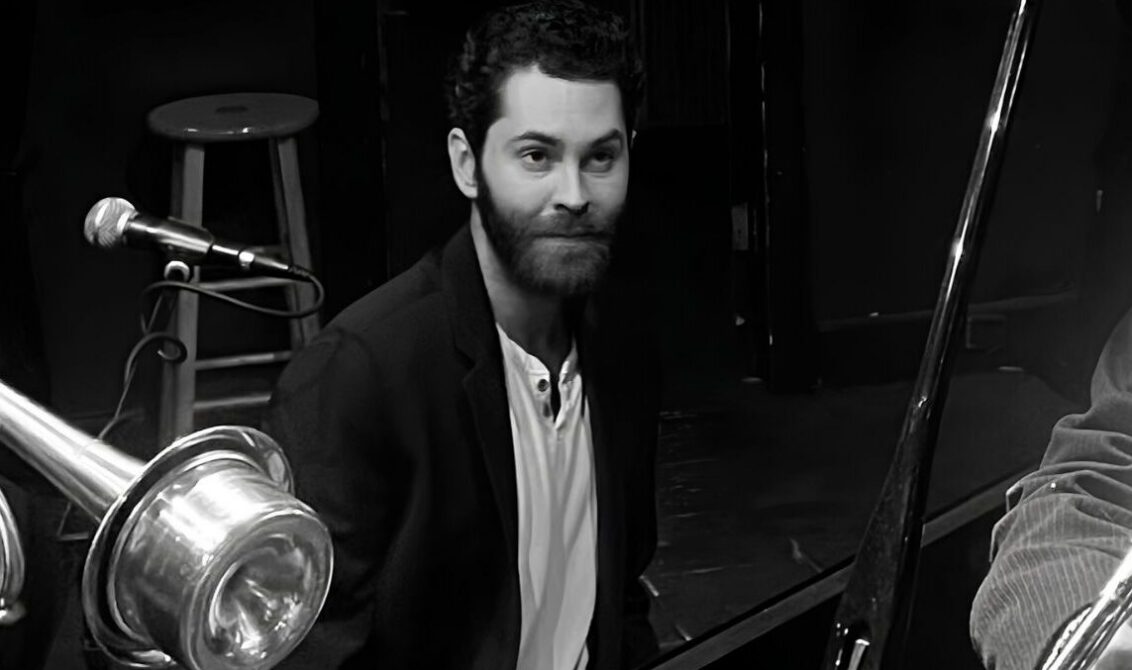
Phillip Howe’s roots in Charlotte’s jazz community trace back to age 17, when he first walked through the doors of the storied Double Door Inn. A Rock Hill native, Howe was still in high school when he landed his first paid gig after posting a Craigslist ad that read, “jazz trumpet player for hire.” His father, also a musician, drove him to the performance at Nolan Kitchen. Afterward, Charlotte bassist Tim Singh invited him to the Double Door Inn’s weekly jazz jam, introducing him to a community that would help shape his future as a musician.
“I remember I walked in the front door, turned to my right and looked at the stage — I found the answer to all of my questions,” Howe said.
When Howe first entered the Double Door Inn, pianist Bill Hanna, widely regarded as the “Godfather of Jazz in Charlotte,” had already established his weekly jazz jam as an institution in the city’s music scene. For decades, Hanna was a central figure in Charlotte’s jazz community. After the Double Door Inn closed in 2017, the tradition continued at Petra’s, where the Bill Hanna Legacy Jazz Session remains a staple of the local scene following Hanna’s death in 2021 at age 88.

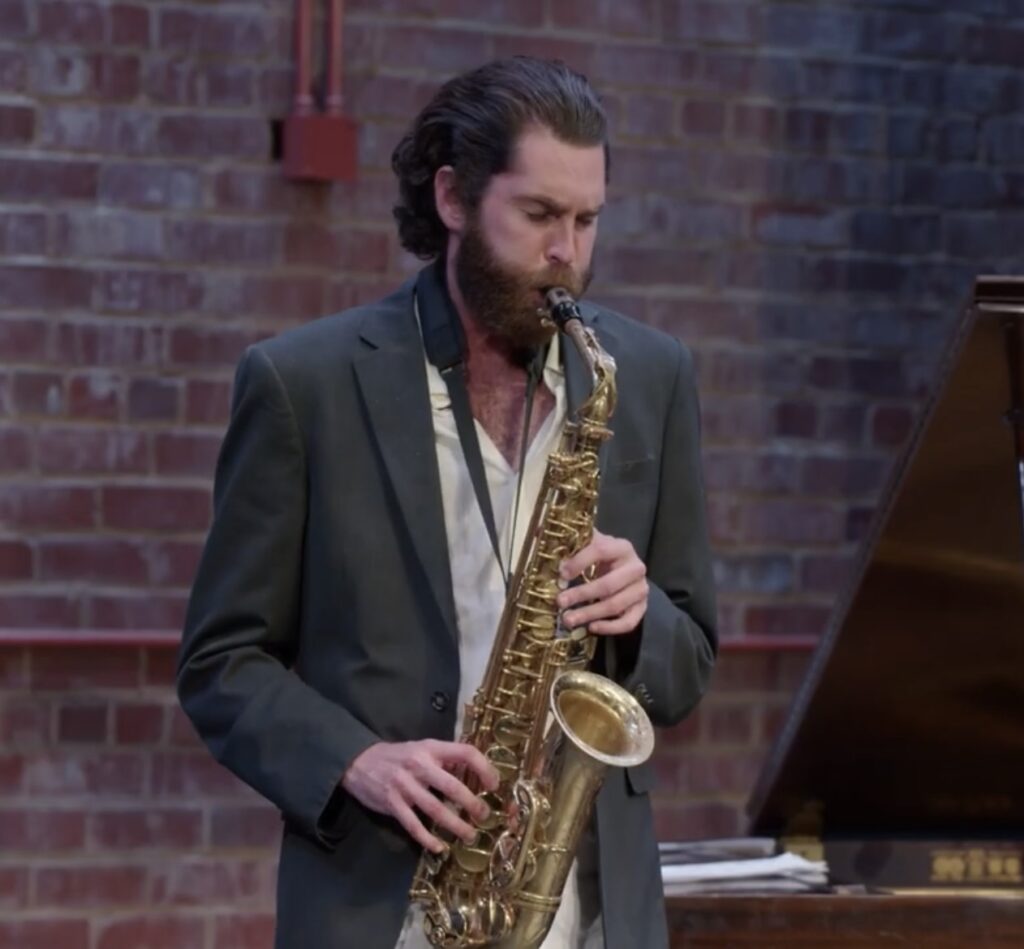
Today, Howe is among the musicians carrying that tradition forward at Petra’s. The rotating session features a roster of local jazz luminaries, including saxophonist, composer and bandleader Ziad Rabie, a longtime fixture of Charlotte’s jazz community and artistic director of the Jazz at the Bechtler concert series; bassist Tom Hildreth, who has performed with the Charlotte Symphony and numerous nationally touring artists; drummer and bandleader Al Sergel, who leads the Alfred Sergel IVtet; and guitarist Andre Ferreri, leader of the contemporary jazz group Airstream and the Andre Ferreri Quintetto.

In recent months, Howe has attracted a growing following on Instagram for his unconventional approach to teaching music theory. Many of his videos are filmed at Petra’s, the Plaza Midwood venue where he regularly performs and where the Bill Hanna Legacy Jazz Session takes place every Monday. Seated outside, often with a cigarette and a drink in hand, Howe is casually approached by local jazz singer Carolyn Kashmanian, a frequent performer at Petra’s and Eighty Eights, who poses questions about music theory before he begins his lessons.
View this post on Instagram
One of Howe’s first viral videos focused on musical modes, variations of scales that each produce a distinct sound and character. Although the concept can be difficult for musicians to grasp, modes play an important role in understanding harmony, improvisation and composition. Howe set out to make the subject more accessible, breaking it down in a way that moves beyond the often-complicated explanations found in traditional music instruction. The video has since garnered more than two million views and drawn responses from musicians around the world, many of whom said his explanation helped them finally understand a concept they had struggled with for years.
“I saw what kind of reaction it was getting and I was like, ‘Oh, man, I’m just going to start airing out all my grievances in the way they teach music in school,’” Howe said.
View this post on Instagram
Howe Believes Music Should Be Taught Like a Language
Howe has plenty of thoughts about music theory and, more broadly, how musicians are taught to understand and play music. He describes music as “the decoration of time with sound,” a philosophy that informs his belief that musicians should develop an ear for music before relying on written notation.
“We hear music with our ears, so why is everybody trying to learn it with their eyes?” he asks.
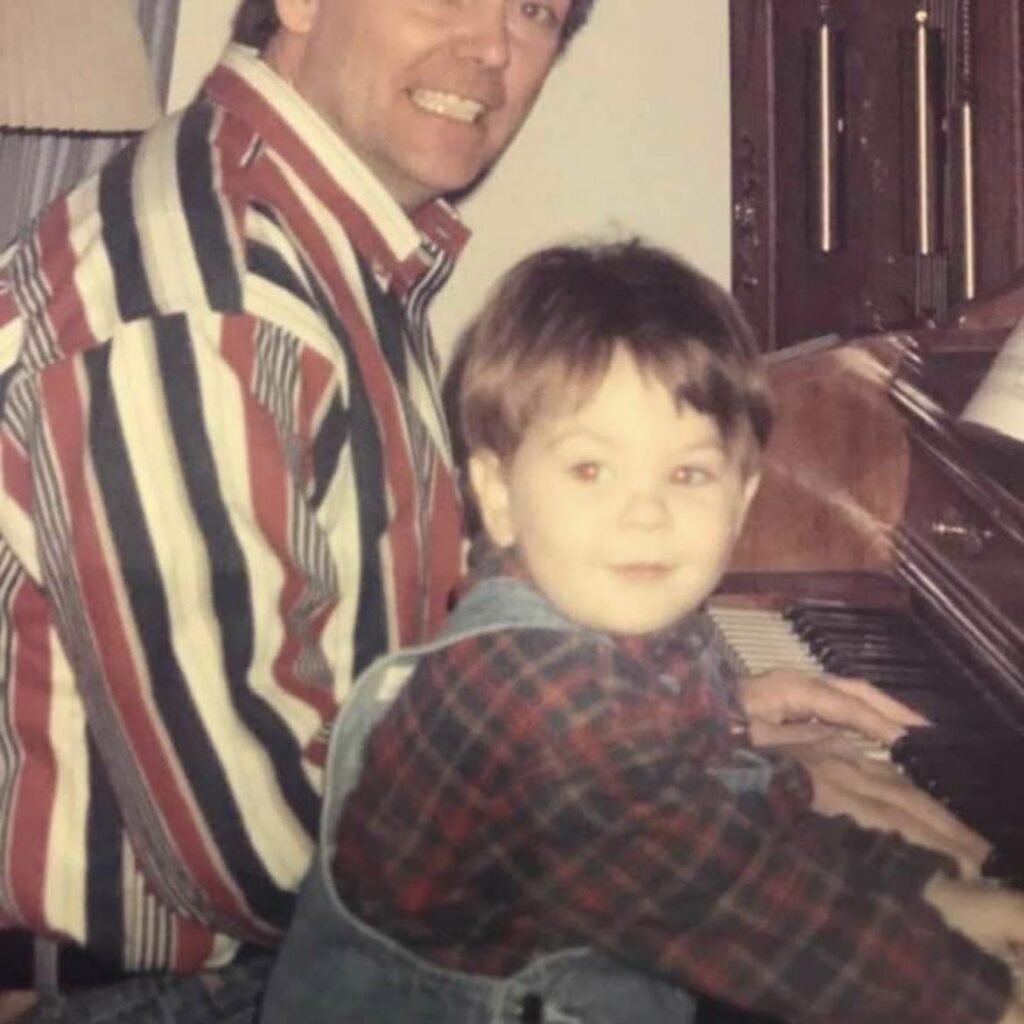
Raised in a musical family, Howe began playing piano at four years old, first learning “Sweet Georgia Brown,” the Harlem Globetrotters’ theme song, one note at a time from his father. A multi-instrumentalist who plays piano, saxophone, trumpet and upright bass, Howe spent years studying music before Ziad Rabie helped him develop a deeper understanding of it.
“I took 10 years of classical piano lessons, but by the end of it, I realized that I didn’t really know anything. I had learned how to read, but I hadn’t really understood harmony, or the way that chords and melodies work together,” Howe said. “I learned more from Ziad in six months than I had learned in 10 years of classical piano lessons. It totally changed everything.”
After his video explaining musical modes gained traction, Howe began expanding his content beyond music theory to address how music is learned and performed, drawing a distinction between being musically literate and truly fluent.
View this post on Instagram
“You would never teach a child to spell before they learned how to talk,” Howe said. “So why would you teach a musician to read before they can play?”
The Charlotte Musicians Who Shaped Howe’s Sound
A product of Charlotte’s jazz community, Howe credits the musicians who helped guide his development with shaping both his sound and his approach to music. He was a member of the first graduating class of JazzArts Academy’s youth program, part of the Charlotte-based nonprofit JazzArts Charlotte, founded in 2011.
Along with Hanna and Rabie, Howe also points to saxophonist Adrian Crutchfield as a major influence on his music and career. Crutchfield is widely known for his work with Prince and the New Power Generation.
Howe recalled his first night performing at Bill Hanna’s Jazz Jam at the Double Door Inn, where he played “A Night in Tunisia,” the 1942 jazz standard composed by trumpeter Dizzy Gillespie. Shortly after Howe’s solo, Crutchfield played a few notes that gave him “chills up the spine,” acknowledging the young musician and offering a simple piece of advice: stay humble.
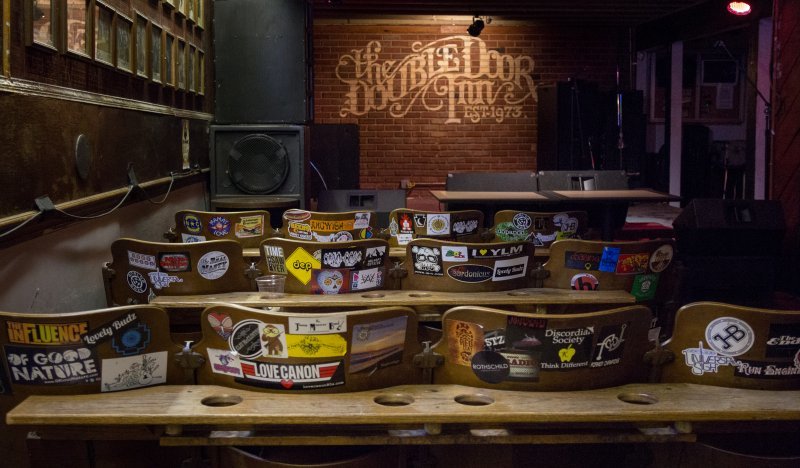
“I practiced hours a day for the next three years because I was so busy trying to stay humble because, I mean, that guy just inspired the hell out of me,” Howe said.
Howe also performs with the Blackhawk Quintet, a Charlotte jazz collective co-led by saxophonist Elijah Freeman and trumpeter Ariel Mejia, on Wednesday nights at Eighty Eights and once a month at Not Just Coffee. He describes Charlotte’s jazz community as a close-knit, supportive scene where musicians continue to find opportunities to work and grow together.
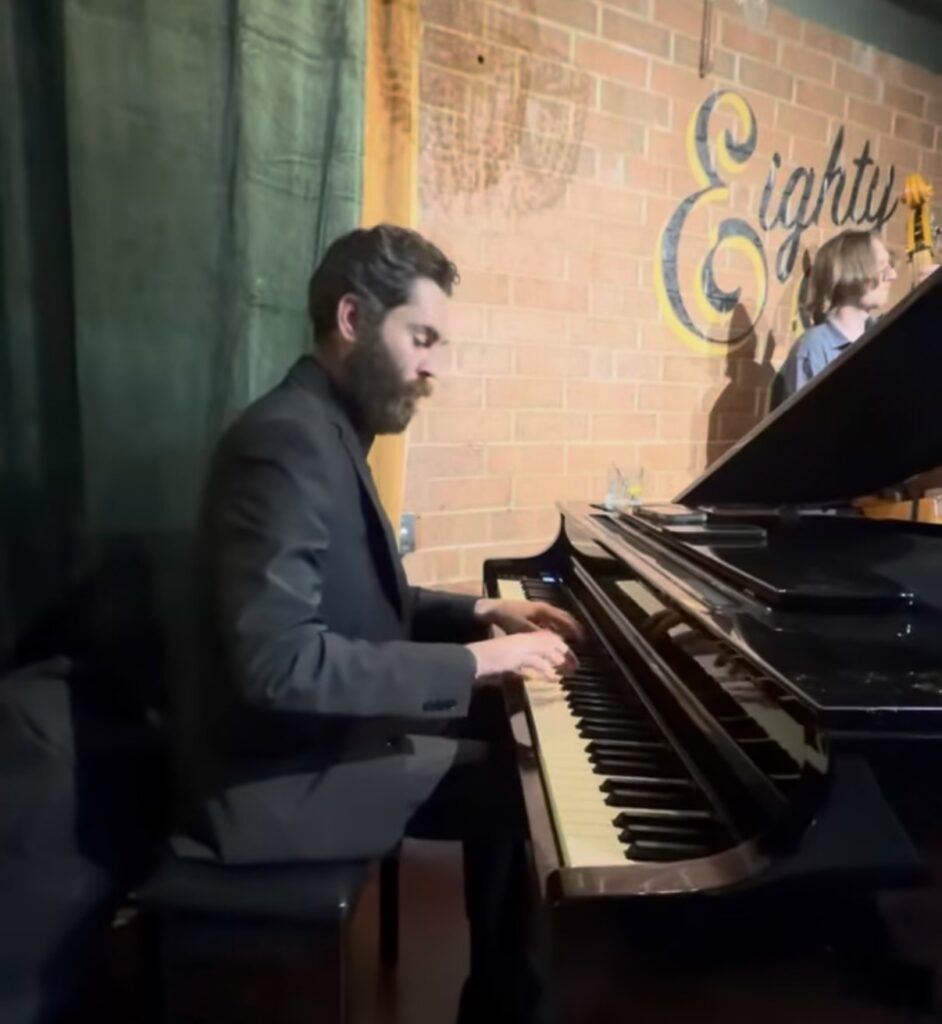
“It’s a very welcoming, uplifting community,” Howe said. “There’s work here for us, and there’s enough that we can all be here and show up and support each other.”
From Sideman to Bandleader: Howe’s New Album Clanton Park
He recently recorded his debut album, Clanton Park, named after the west Charlotte public park, alongside Freeman, Mejia, drummer Tim Scott Jr. and bassist and trumpeter Burns.
Howe has spent much of his professional career as a sideman, taking on a wide variety of gigs. His earliest touring experience came at age 18 with the soul and R&B group Chairmen of the Board, a fixture of the Carolina beach music scene, followed by regular jazz performances and work with yacht rock and bluegrass bands.
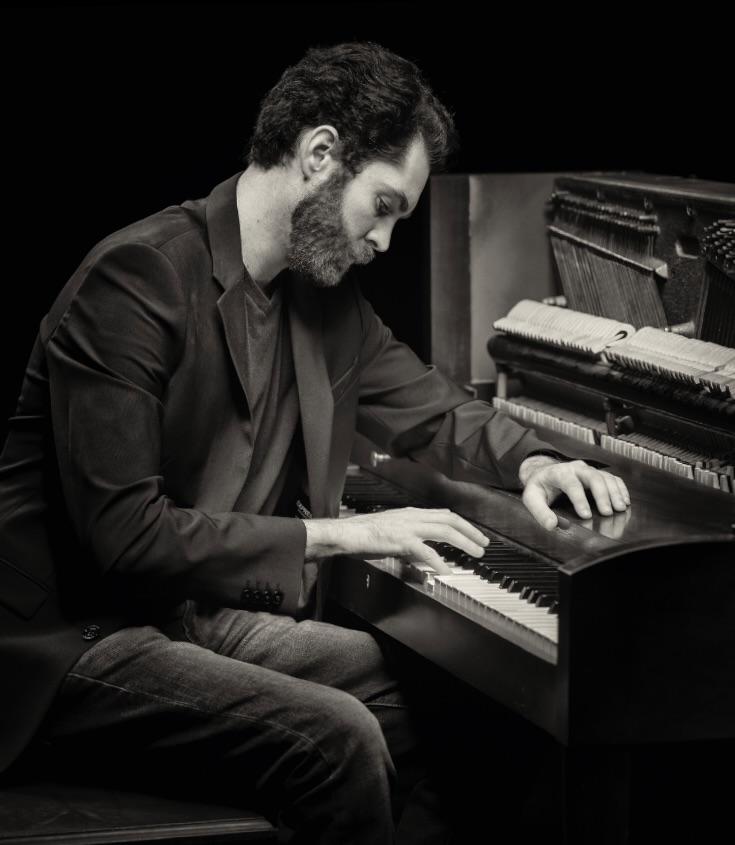
As his music education videos attract a wider online audience, Howe has also renewed his focus on his own musical direction. The upcoming release of Clanton Park marks a long-awaited milestone as he looks toward the next chapter of his career.
“I’ve been a sideman my entire career because I never had stars in my eyes,” he said. “My goal was never to get famous. My only goal was to make a living, and I was able to do that.”
Howe also plans to build on his online following with an educational vision that extends beyond short-form videos. He wants to launch a YouTube channel dedicated to teaching music, envisioning “a full, purely by ear musical curriculum.”
Once a young admirer learning from Charlotte’s jazz community, Howe, now 33, has grown into a musician helping carry the legacy forward. Through his work as a performer and educator, he is honoring the influence of figures such as Hanna while finding new ways to share Charlotte’s rich jazz tradition with a wider digital audience.
View this post on Instagram
You can follow Phillip Howe on Instagram and TikTok, catch him at the Bill Hanna Legacy Jazz Session every Monday at Petra’s, and see him perform with the Blackhawk Quintet on Wednesdays at Eighty Eights.
Read next:
