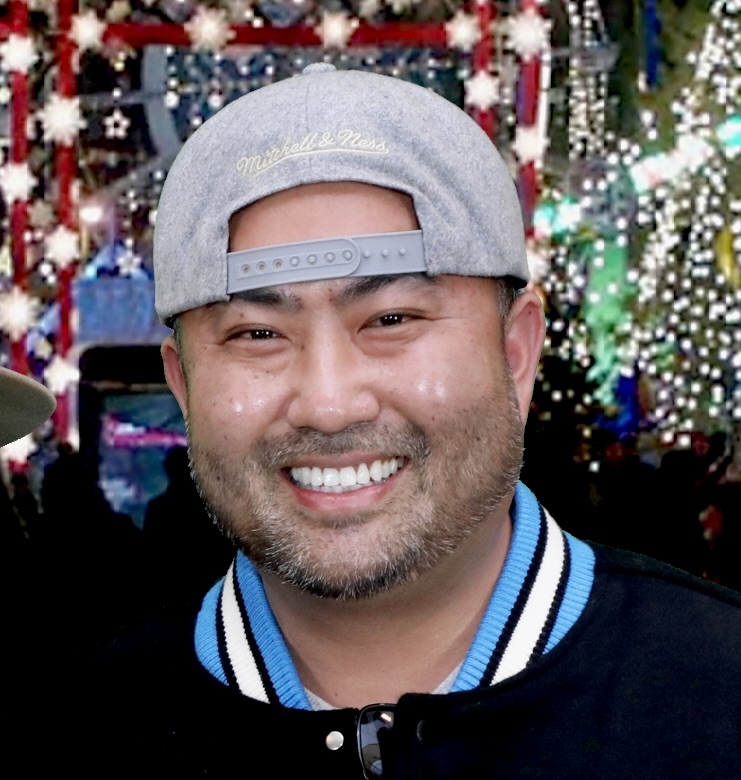
 By Cameron Lee
April 29 2026
According to the World Population Review in 2024, North Carolina has the 12th-largest Cambodian population in the United States and the second-highest percentage in the Southeast, only behind Georgia, at approximately 0.06% of the state population.
The ethnic group, language, and cultural identity of Cambodia, known as “Khmer” (properly pronounced “kh-mae”), form the core of the nation’s population, a low-lying tropical river basin country situated between Thailand, Vietnam, and Laos. The name became widely established during the Khmer Empire, when Khmer-speaking people built a powerful civilization across much of Southeast Asia.
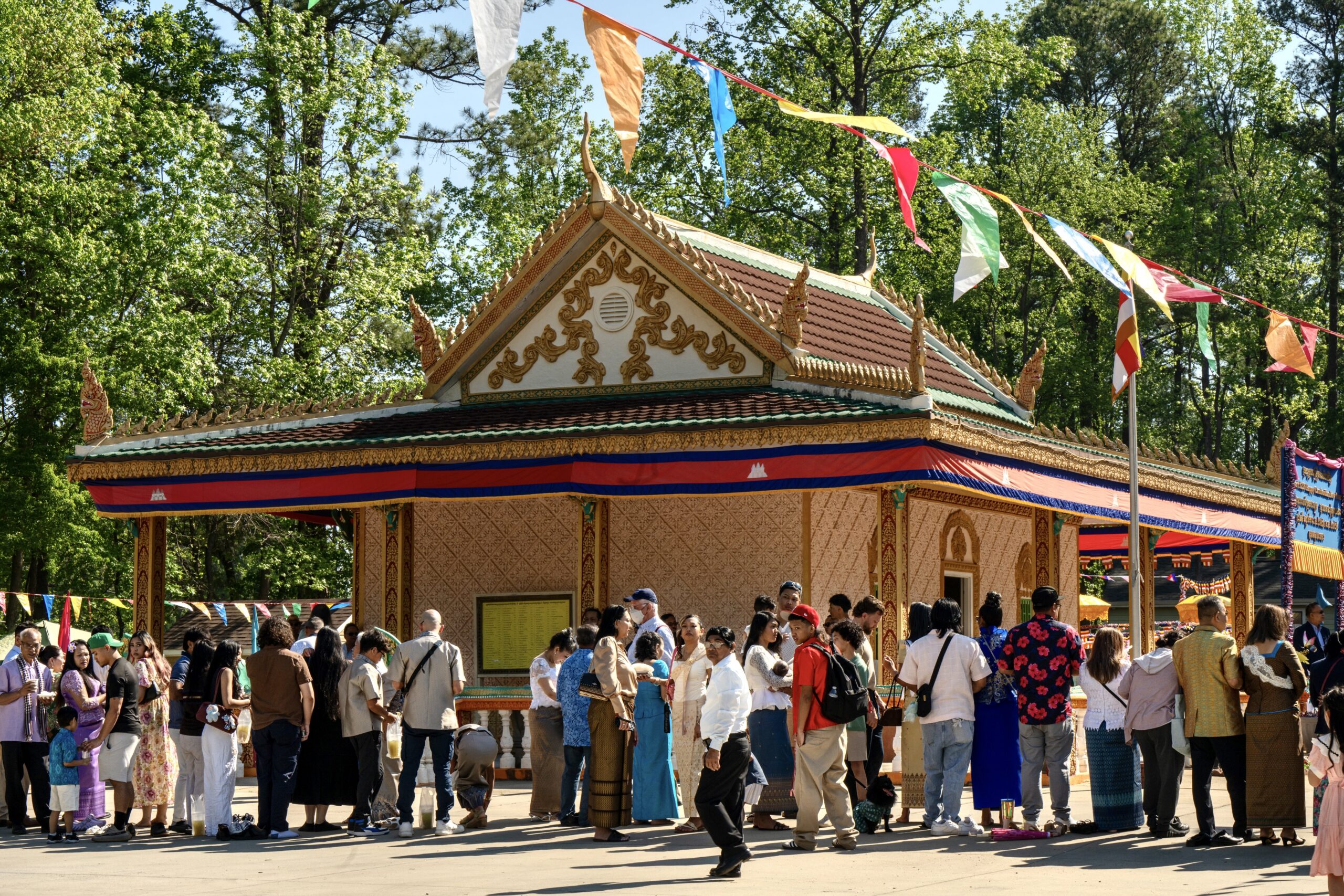
Earlier this month, Mecklenburg County proclaimed April as Cambodian Heritage Month, and while the city issues many proclamations throughout the year, for the Khmer community in Charlotte, it was a meaningful recognition — especially coming off another vibrant Khmer New Year, celebrated in mid-April globally and locally at the Cambodian Buddhist Society temple.
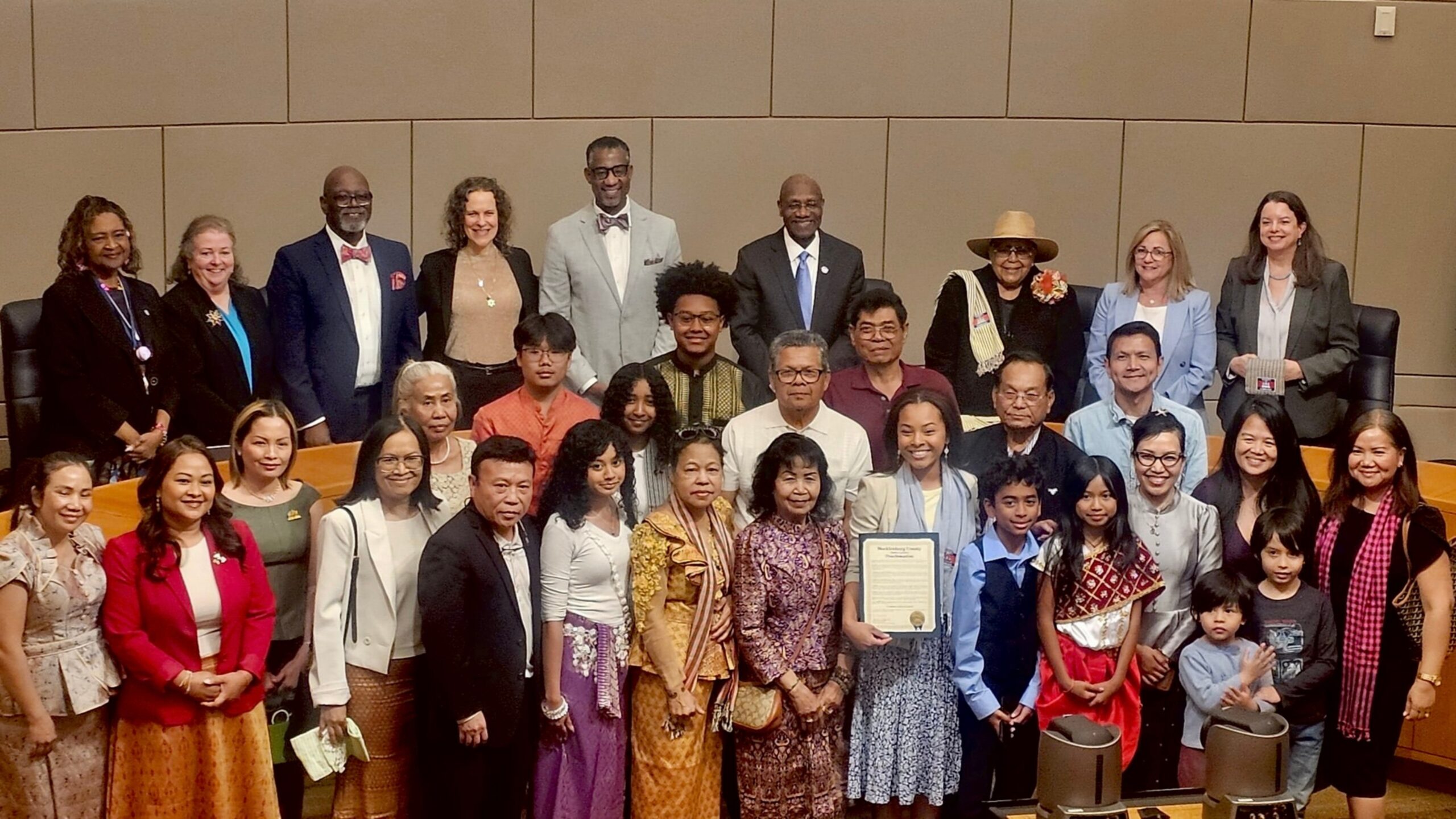
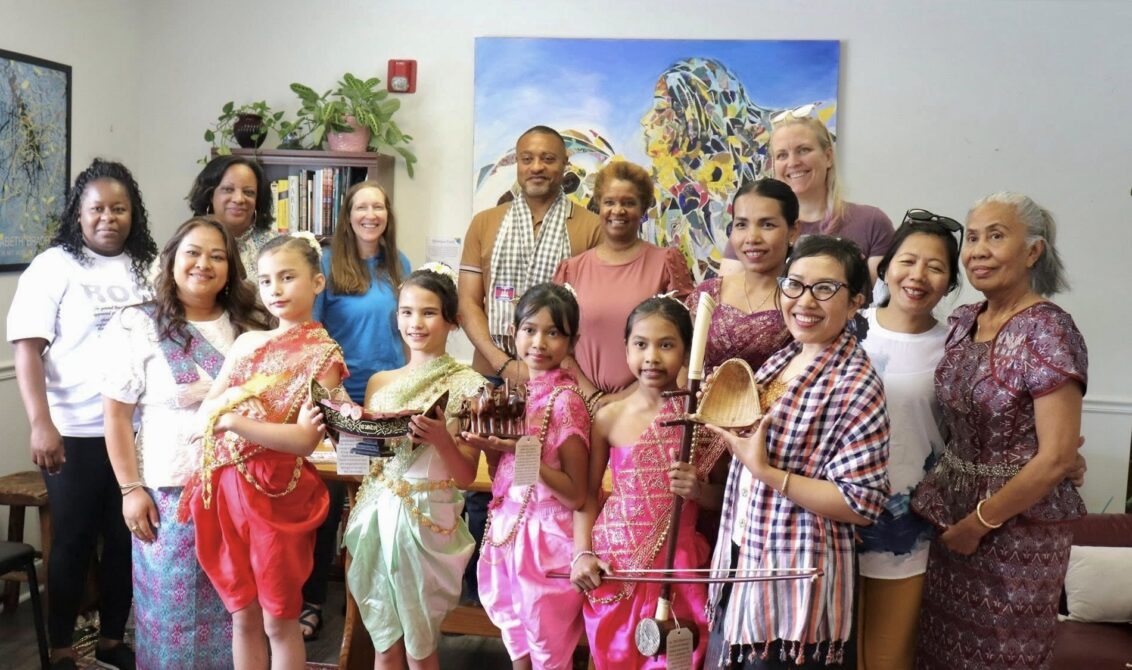
“It was just a special day for us. We felt like, yes, we are respected… like, wow, that’s something we accomplished and I never thought that we would be recognized, you know? And it’s just beautiful,” said Kim Lam, co-founder of the Cambodian Legacy Project.
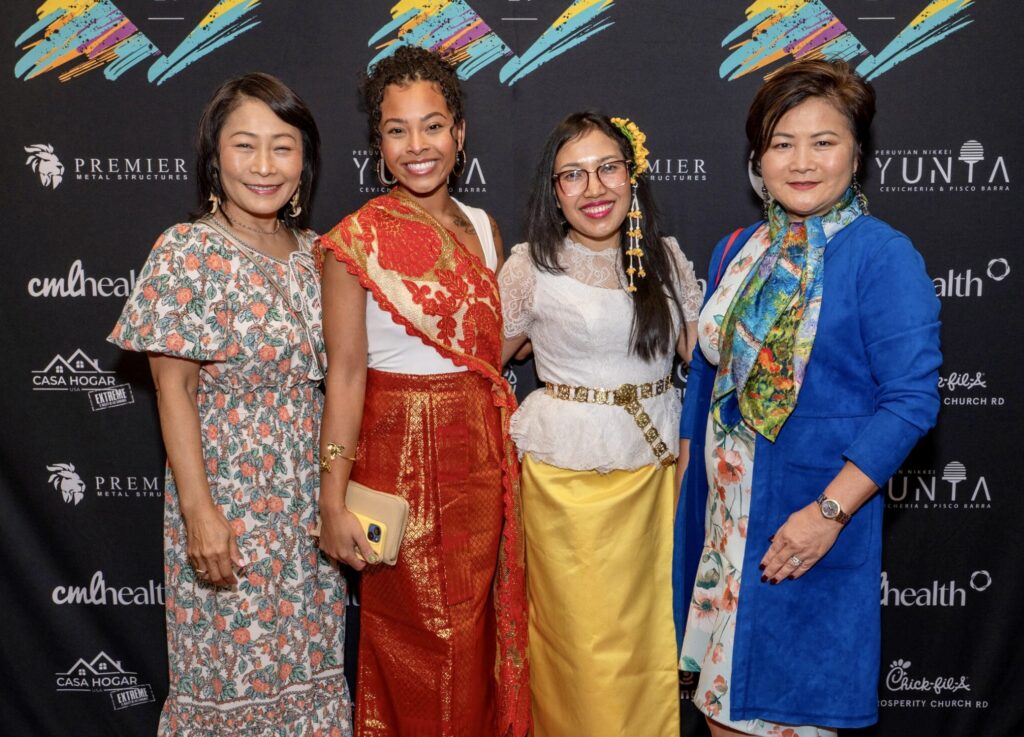
Lam came to Charlotte in 1997, like many others seeking refuge from the ongoing political unrest in Cambodia following the well-documented Khmer Rouge genocide of the mid-to-late 1970s. Like many Cambodian immigrants in the United States, she spent her early years in America unable to fully communicate and with limited access to structured support systems in a completely unfamiliar country.
Today, Lam is a familiar presence in Charlotte’s Asian American community, having volunteered with the Carolinas Asian-American Chamber of Commerce and supported cultural preservation efforts through Khmer language classes, arts and dance programs, citizenship workshops, health clinics, and workforce development initiatives.
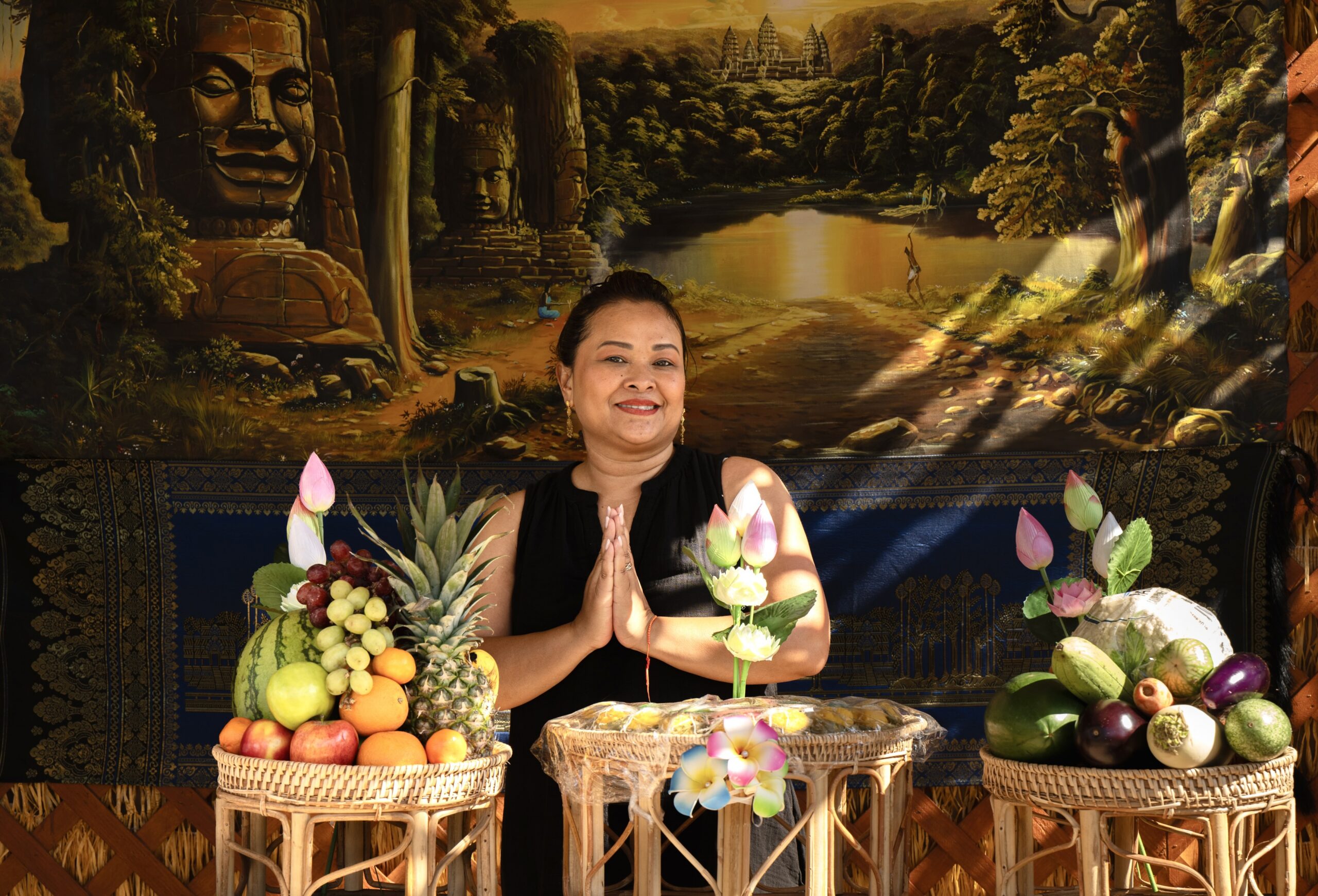
That work is the foundation of the Cambodian Legacy Project, which she co-founded with Kaovny Jonas, a Cambodian-Chinese immigrant who originally arrived in the United States in the ’80s and first settled in Stockton, California — a major destination for Cambodian refugees due to its affordable housing and agricultural and factory job opportunities. Jonas later moved across several states before settling in South Carolina and eventually Charlotte. She met Lam through a language class at the temple while seeking help for her children to learn Khmer in order to communicate with their grandparents — a common generational challenge in Cambodian families.
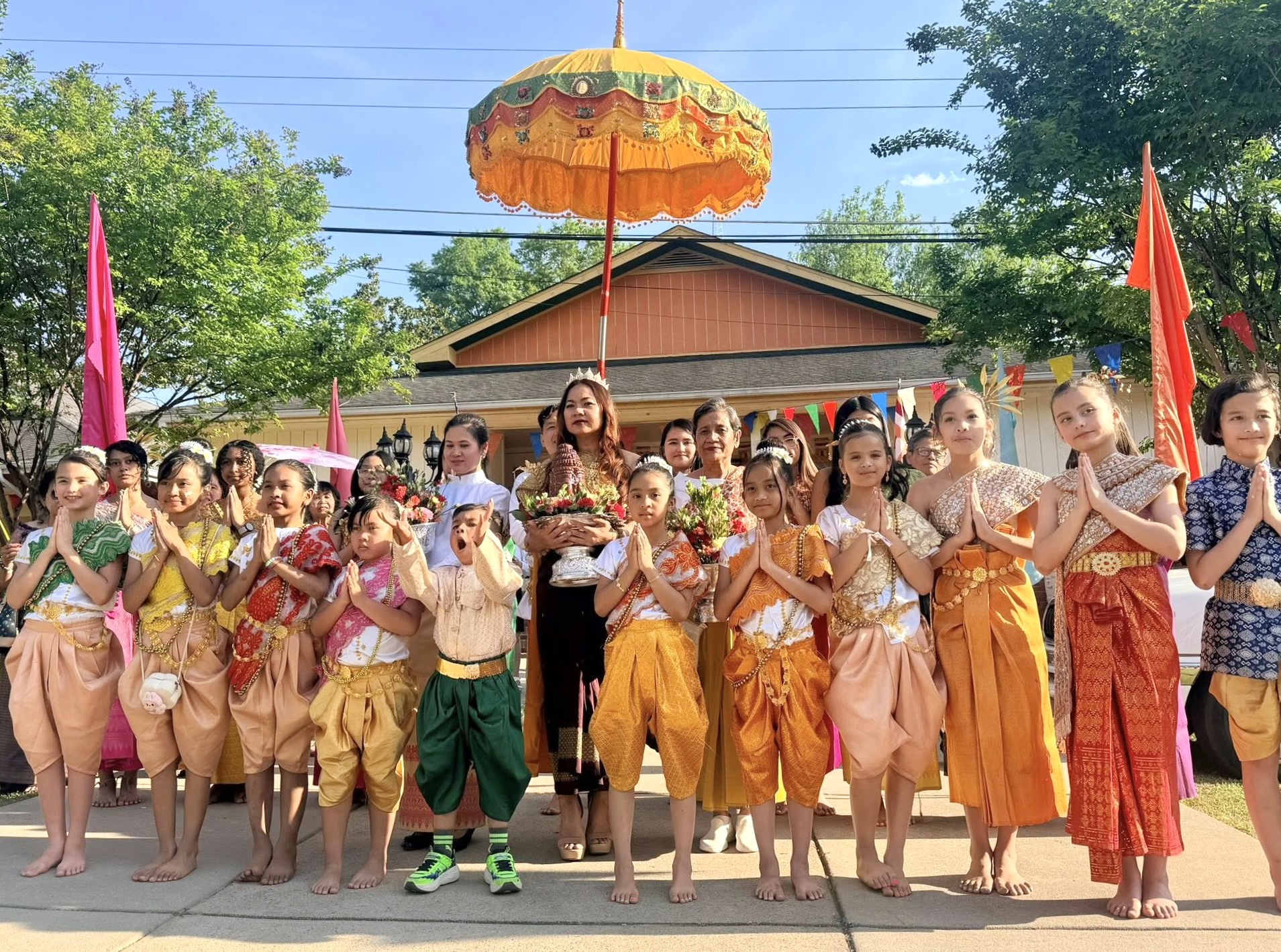
“I wanted to elevate the programs that were already there… so the language class as well as traditional dance class,” Jonas said. “I want to see more of how we can connect with the next generation.”
Jonas’ daughter, Aneelia Ma, a graduate of Johnson & Wales University and the owner of the Charlotte the dessert catering company Neelia’s, also assists with the nonprofit’s administrative and organizational work. She acknowledges that the language can be difficult to learn and that communication barriers with elders can make fully connecting to the heritage challenging, even though she understands much of the culture and history.
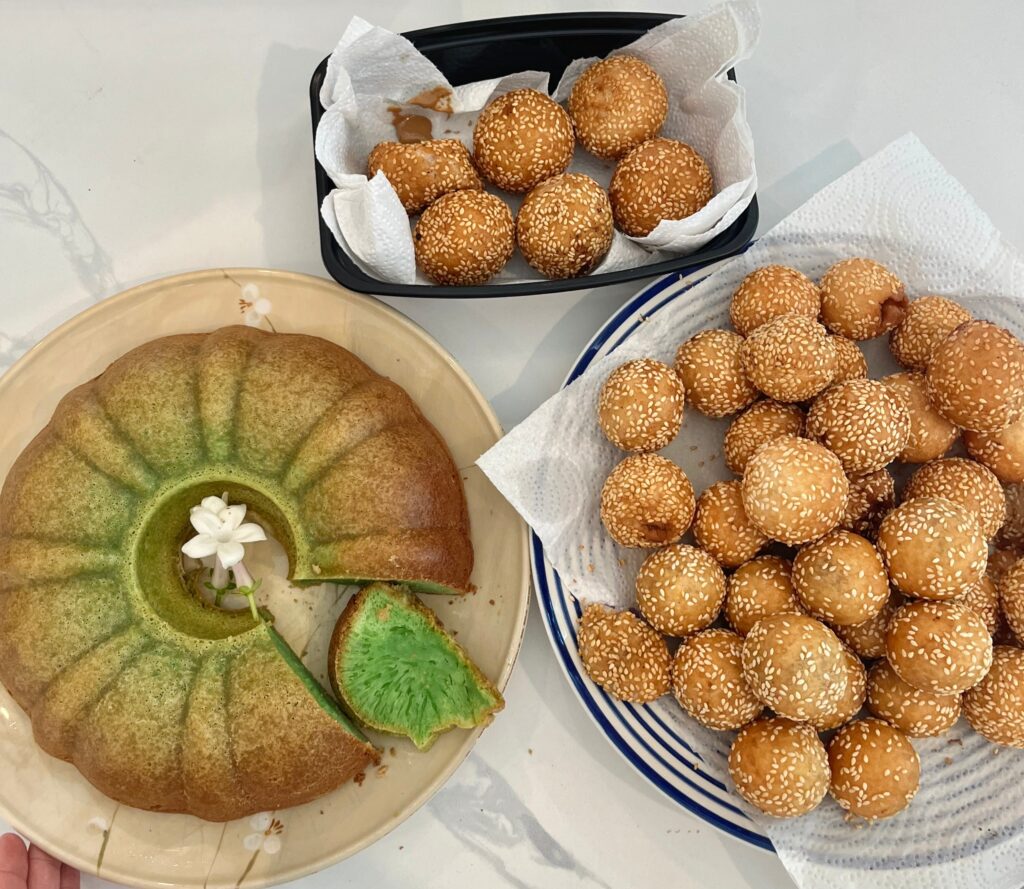
“The majority of the children that are born here, they do not speak the language fluently enough to actually communicate with their grandparents,” Jonas said.
That shared challenge has become the central thread connecting all three women and the mission of the organization: preserving Cambodian heritage while bridging generational gaps shaped by migration and trauma.

“It’s really about, you know, trying to get the kids to connect to their roots and cultural preservation,” Lam said. “Our mission is really to preserve Cambodian culture. We want to strengthen the families and have the next generation stay connected to their roots.”
The Cambodian Legacy Project, now just over a year old, is organizing its first major public event in Charlotte at Heist Brewery and Barrel Arts. The event will feature authentic Khmer desserts, traditional music and dance, and Cambodian-owned vendors, creating a welcoming space for cultural education and community connection.
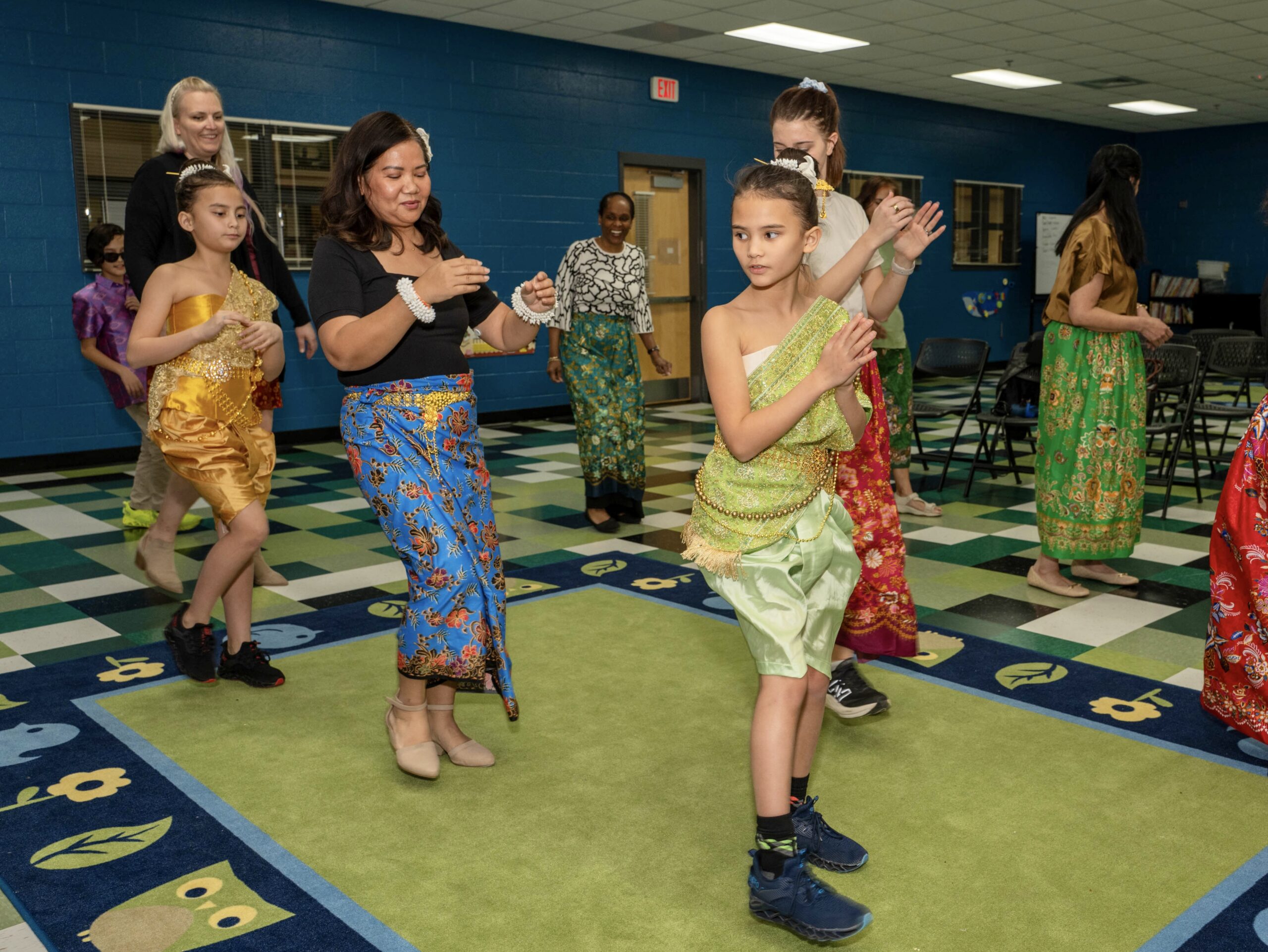
“How can we get non-Cambodian people to learn about Cambodia, but also invite the Cambodians who either don’t feel comfortable going to the temple… into a space where they feel welcomed,” Ma said. “Invite Cambodian-owned businesses and just have a celebration of our culture to celebrate the proclamation and the new year.”
The broader mission of the nonprofit is to preserve Khmer art and dance traditions, many of which were nearly lost after the Khmer Rouge regime targeted artists, musicians, dancers, and cultural leaders in its attempt to restructure society into an agrarian state.
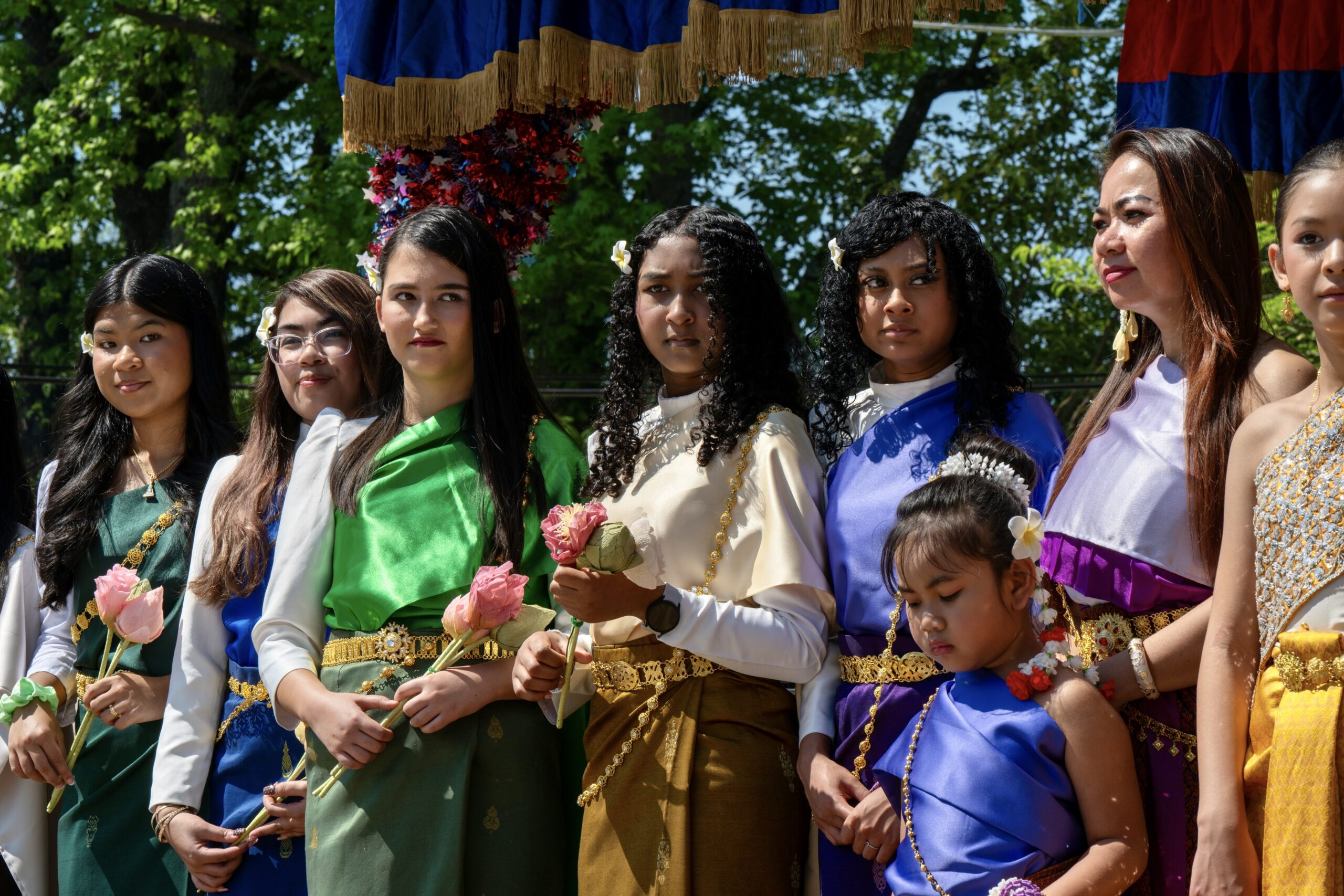
The organization has partnered with local artists to teach Cambodian art and traditional Khmer dance, recognizing that these cultural practices could fade without generational transmission. Beyond the arts, the group also aims to collaborate with AAPI and other community organizations to expand voter registration, citizenship pathways, workforce development, and homeownership opportunities, while also building support systems for elders dealing with PTSD related to trauma, genocide, and displacement. They also host their language and dance classes every Sunday at the Cambodian Buddhist Society temple.
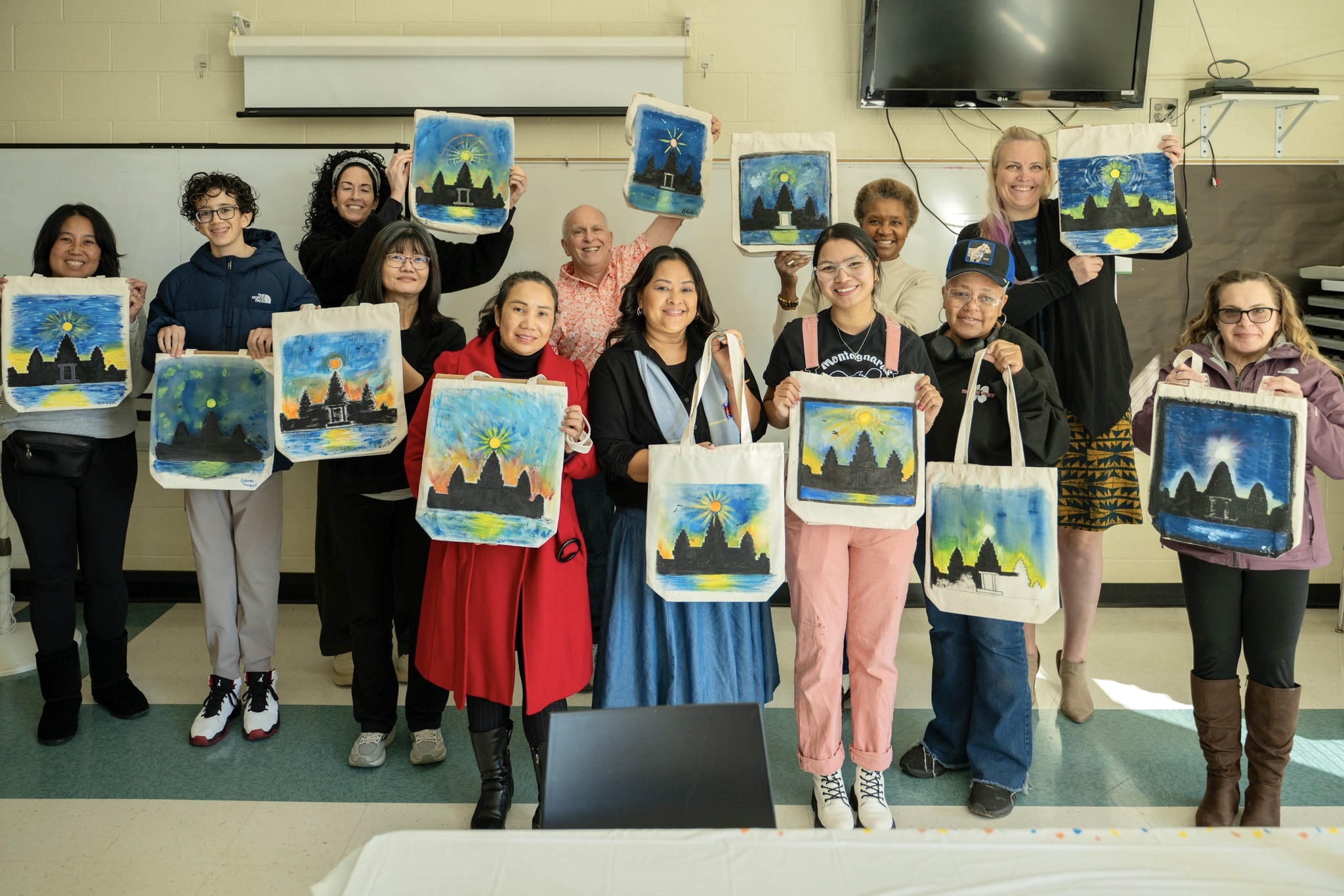
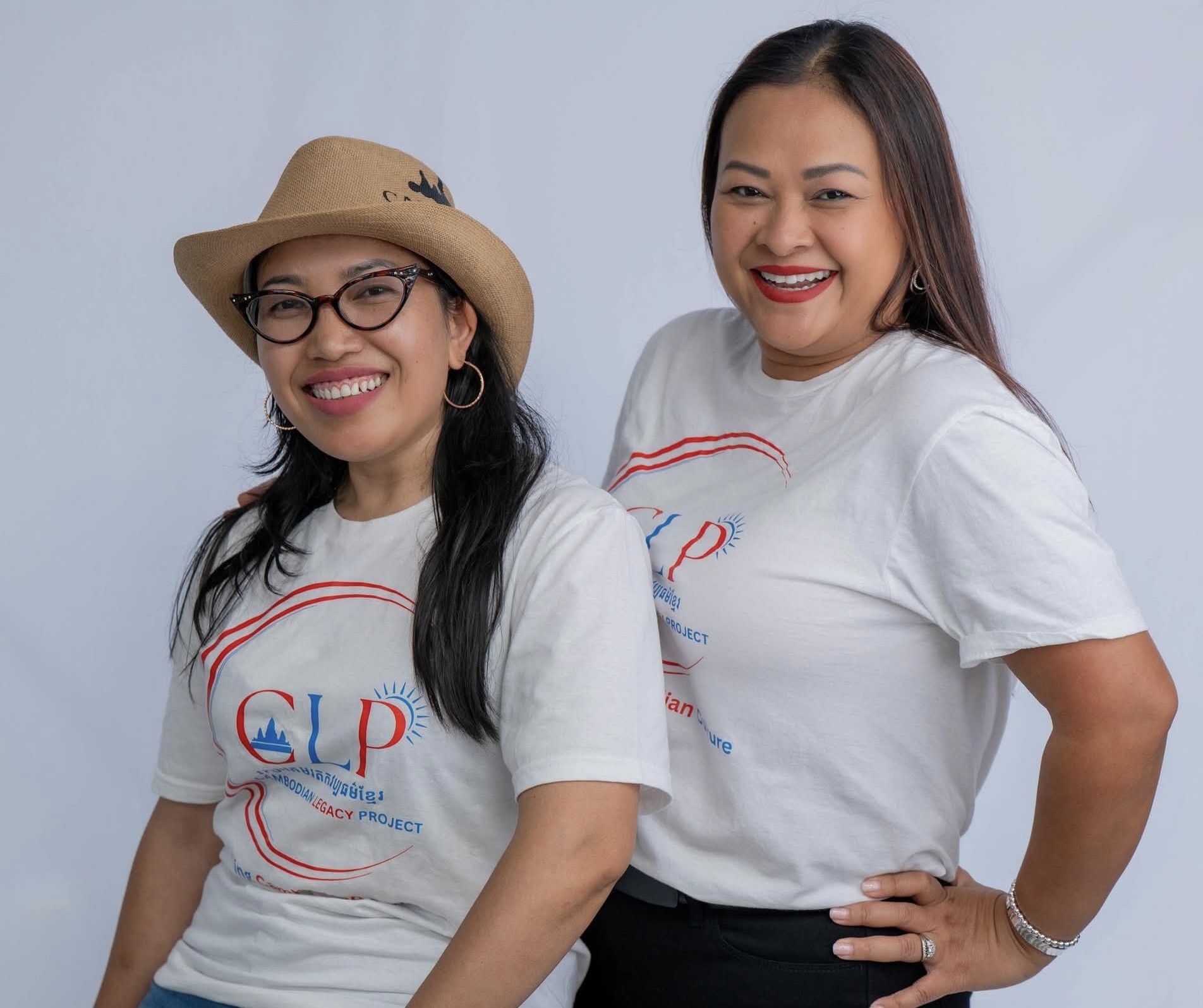
It is an ambitious mission for Lam, Jonas, and Ma, who balance full personal and professional lives, but remain deeply committed to preserving their shared heritage.
“Hearing stories of survival, strength, perseverance has been something that I have seen in the Khmer community,” said Ma. “Honestly, throughout all of the Khmer families that I’ve seen, especially the ones who have immigrated here from Cambodia.”
The Khmer community represents a small but growing segment of North Carolina’s Asian population, carrying a resilient cultural legacy shaped by survival, displacement, and renewal. Their traditions and stories remain deeply meaningful, but they risk fading without continued preservation efforts from organizations like the Cambodian Legacy Project.
View this post on Instagram
The Khmer Heritage Fest will take place at Heist Brewery & Barrel Arts on Thursday, April 30, from 6 p.m. to 9 p.m., and you can learn more about the Cambodian Legacy Project on their official website, Instagram, and Facebook.
View this post on Instagram

Read next: