 By Cameron Lee
April 23, 2026
Photo: Dionna Bright
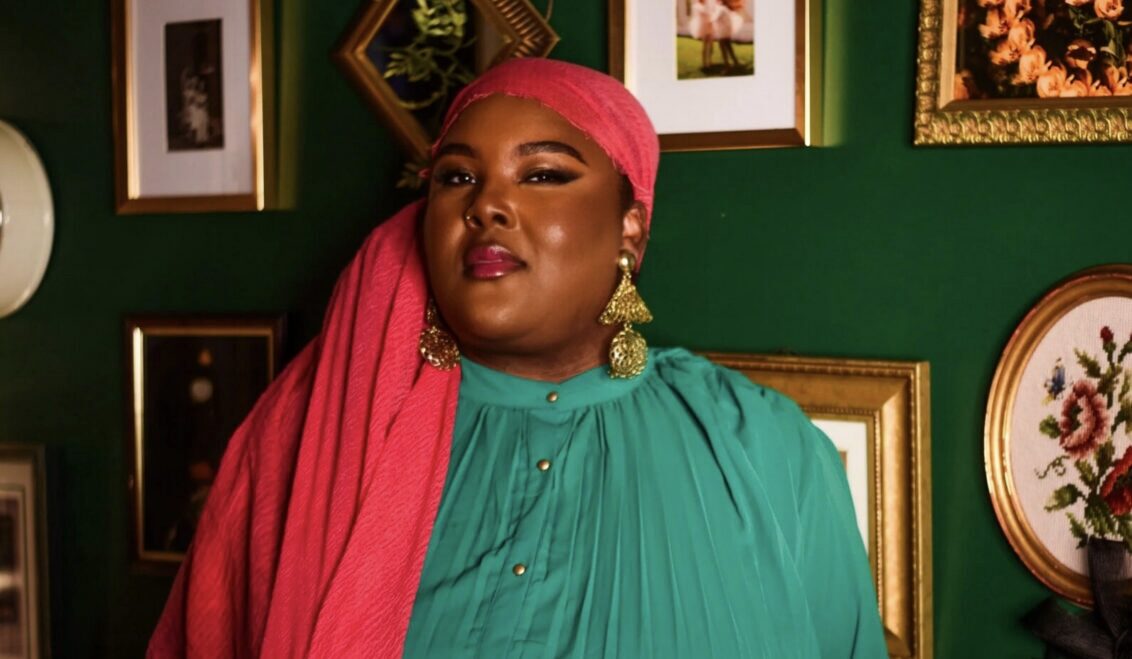
When the popular spoken word television series Def Poetry Jam was at its height, Hannah Hasan was still in high school in Statesville, North Carolina — a place where she often felt out of place as the second youngest of six children in a proud Muslim family.
“I was obsessed. I had never seen or experienced poetry in this way,” Hasan said. “Like, of course, I read poems from the Harlem Renaissance and stuff like that in school… but to see stories come alive in this way, being introduced to, like, that type of spoken word poetry was life-changing for me.”
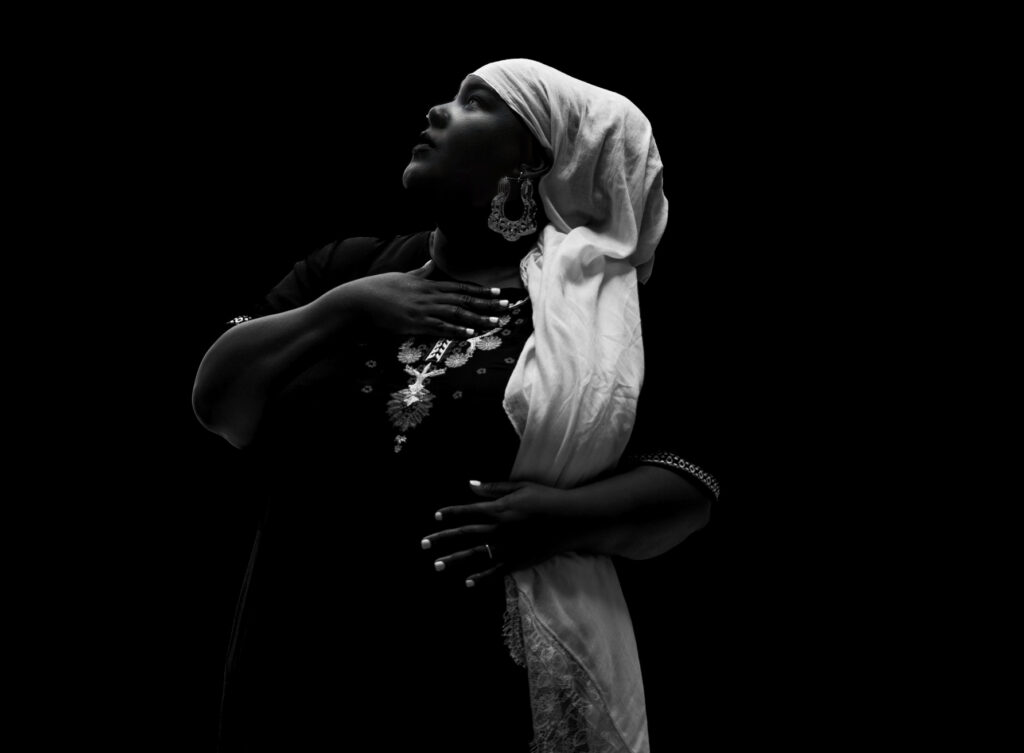
Hasan has become a powerful griot in the city, building her storytelling practice through Epoch Tribe, a stage production company centered on the real-life stories and experiences of Black women in Charlotte, which has since expanded to performances in Nashville. She’s also explored the deeply personal narratives of Black men through Epoch Tribe’s original production The Men Inside, which examines often overlooked lived experiences and the pivotal moments that have shaped who they are.
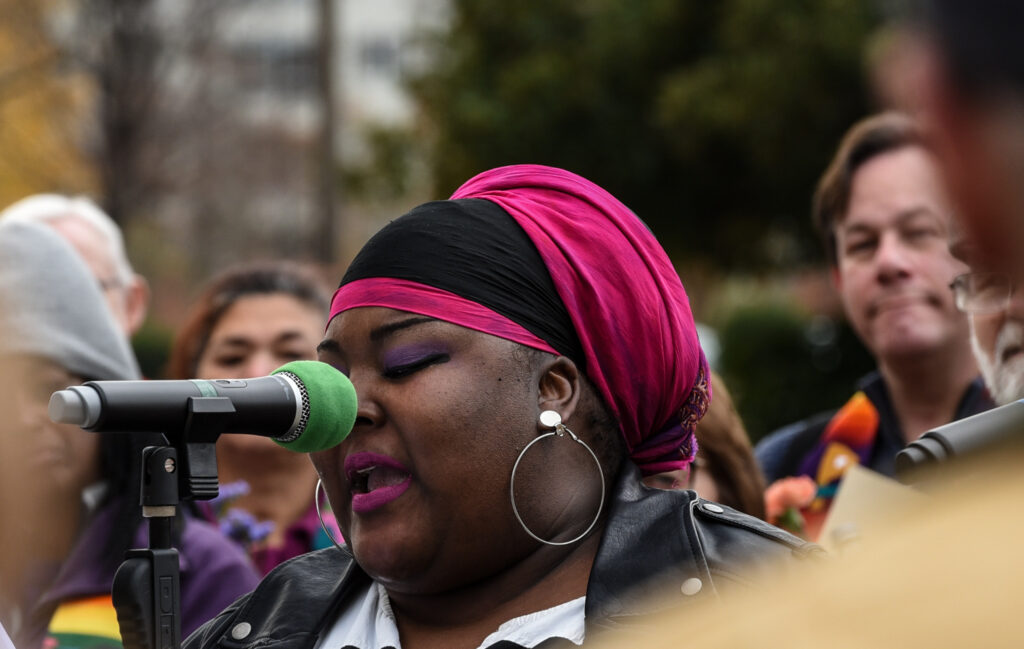
Her work has always been deeply rooted in the community. She was often called upon by local organizations to speak at vigils and gatherings during painful and urgent moments, including protests following the murders of Trayvon Martin and Michael Brown in Ferguson, Missouri, as well as the unrest in Charlotte after the killing of Keith Lamont Scott. In moments of heartbreak, rage, and upheaval, her voice became a grounding force — offering clarity, calm, and reflection amid community-wide grief and outrage.
Hasan’s commitment to community impact was heavily shaped by her late father, the imam of her masjid (similar to a pastor in a church) and a hardworking owner of a welding company, who often attended city board and committee meetings in Statesville still in his work clothes.
“I tell people often that I was one of the only families in my part of town, which was, like, the Black side of town, that had a full-time father in the household,” Hasan said. “So my dad was a community dad in a lot of ways. He wasn’t just a welder, he was an artist with his welding… also he was an orator. He was an incredible speaker.”
Hasan’s storytelling is also indelibly shaped by Charlotte’s west side, where her uncle ran one of the first furniture restoration shops in the area off Beatties Ford Road, and where remnants of her father’s welding work can still be found.
After graduating from Statesville High School, a career as a full-time spoken word artist was far from her mind when she enrolled at North Carolina A&T. She initially pursued public relations, then social work, political science, and law, before ultimately earning a Bachelor of Arts degree.
She returned to Charlotte after graduation and briefly worked in insurance before moving into nonprofit and public service work. Her roles included training groups in voter registration, workforce development with the state unemployment office, and later joining the arts-based nonprofit Playing for Others, focused on youth leadership development.
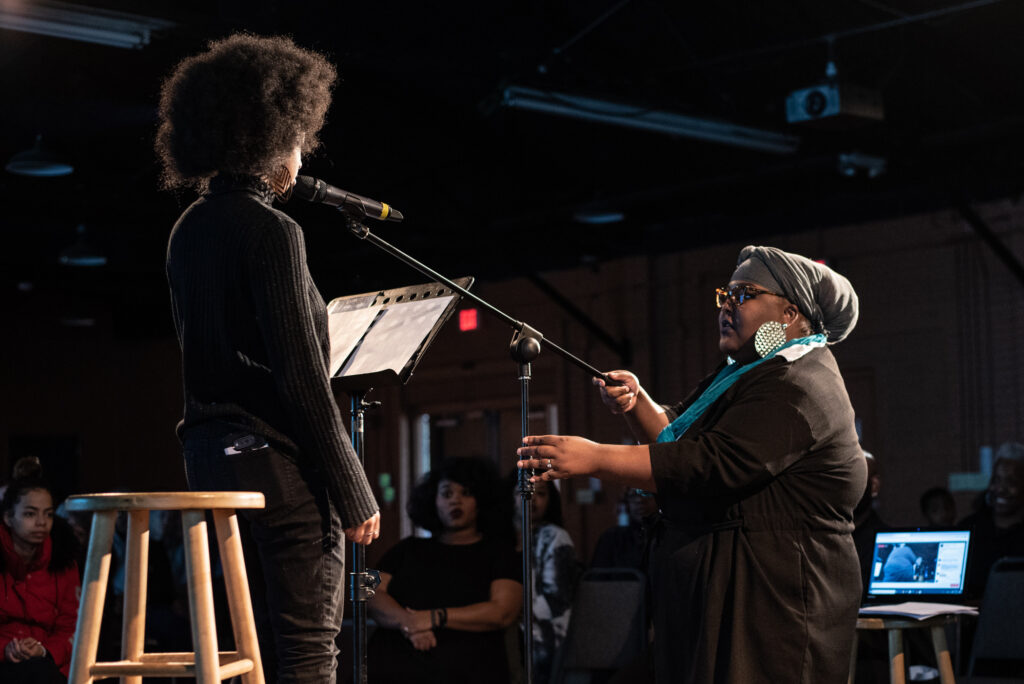
Still, spoken word storytelling remained her calling. Hasan launched an open mic night with a small group at Mugs Coffee off Park Road, where aspiring poets from all backgrounds gathered to share their work. That space eventually evolved into workshops and new opportunities, including work with Promise Neighborhoods, a nonprofit organization that supports children and families in Allentown, Pennsylvania through education, health, and community-based programs, through a storytelling workshop for aspiring community leaders.
“We led this impactful all-day storytelling workshop for these very excited and eager leaders for this organization… these are people who were raw,” Hasan said. “And they learned how to tell their stories in such a powerful way. And that night, we had an event, and they performed their stories in community… It was one of the most incredible experiences I’ve ever had.”
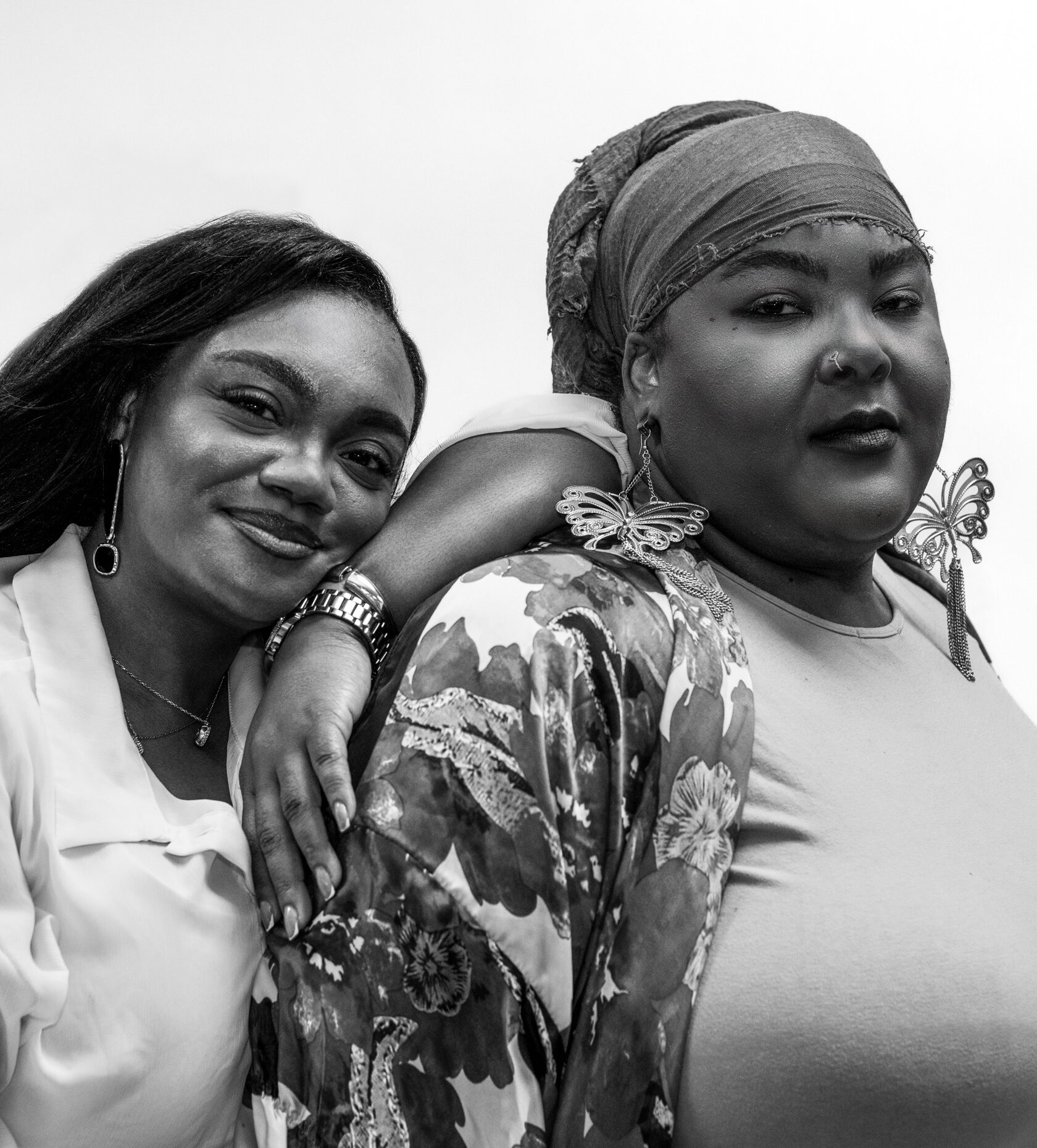
Hasan and her sister-in-law, Shardae Hasan, realized at that moment that their work extended beyond storytelling — it was also about teaching others how to articulate powerful messages through words in service of community impact.
“Then things just began to expand, and we did more than just the workshops and the classes. We started doing shows, and I ended up with a fellowship to do some stories on the West Side, and it was just one thing that turned into something else,” she said. “We did not have any investors. We did not have a penny to our name. What we always say is, we just had sisterhood and these stories.”
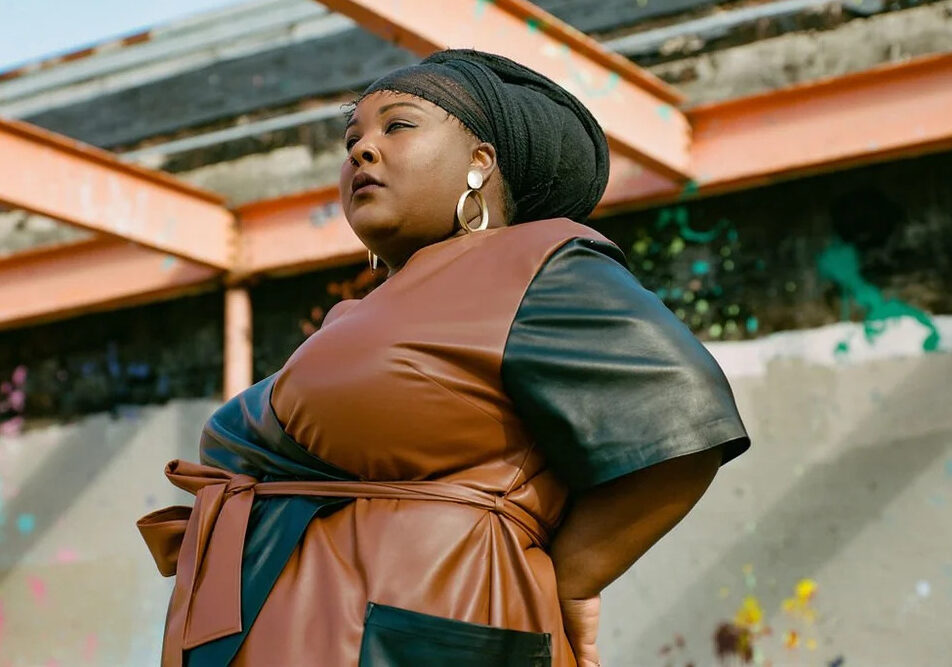
That first “big paid gig” became the foundation for Epoch Tribe. Since then, Hasan has used her background in community organizing and storytelling to elevate Charlotte’s often overlooked narratives — none more powerful than her work with the Charlotte-Mecklenburg Remembrance Project, which recounts the tragic stories of Joe McNeely and Willie McDaniel, two lynching victims documented by the Equal Justice Initiative in Mecklenburg County. On the grounds of Bank of America Stadium — where one of the tragic events occurred at Good Samaritan Hospital — Hasan delivered a story through powerful spoken-word performance, paired with striking visuals captured by Charlotte’s Loyd Visuals.
Hasan has also helped guide some of the city’s leading poets in the creation of Black Charlotte, a groundbreaking spoken-word audio project that explores Charlotte’s Black history and heritage. Led by Jay Ward and Jah Smalls, the work was performed at the historic Carolina Theatre alongside the Charlotte Symphony Orchestra.
Her work is grounded in honoring those who came before, and in building a more informed community through authentic storytelling in a media landscape often driven by fleeting, attention-grabbing content that only scratches the surface of history and social issues.
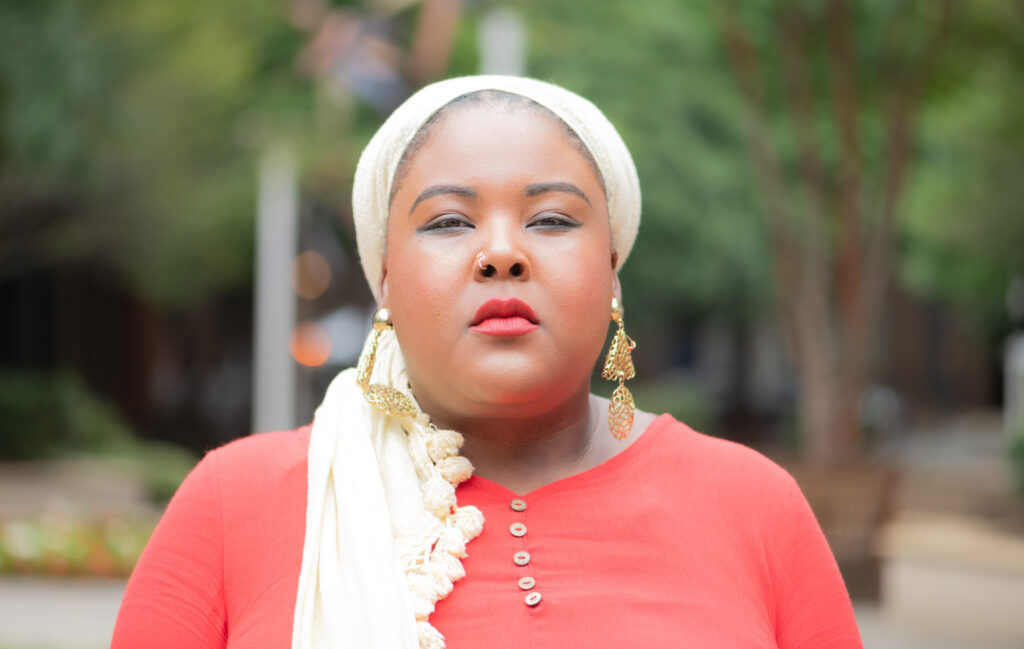
Hasan envisions creating an ongoing archive for Charlotte that preserves historically Black neighborhoods not only through articles and photography, but through creative storytelling rooted in communal gatherings and workshops that evolve into compelling stage productions.
View this post on Instagram
“I think there’s a certain respect that is owed to the people who have been here… this is a city that’s growing, and I want to live in a growing city,” Hasan said. “But I want to live in a city that grows responsibly, that grows in a way that creates space for the most marginalized within its city.”