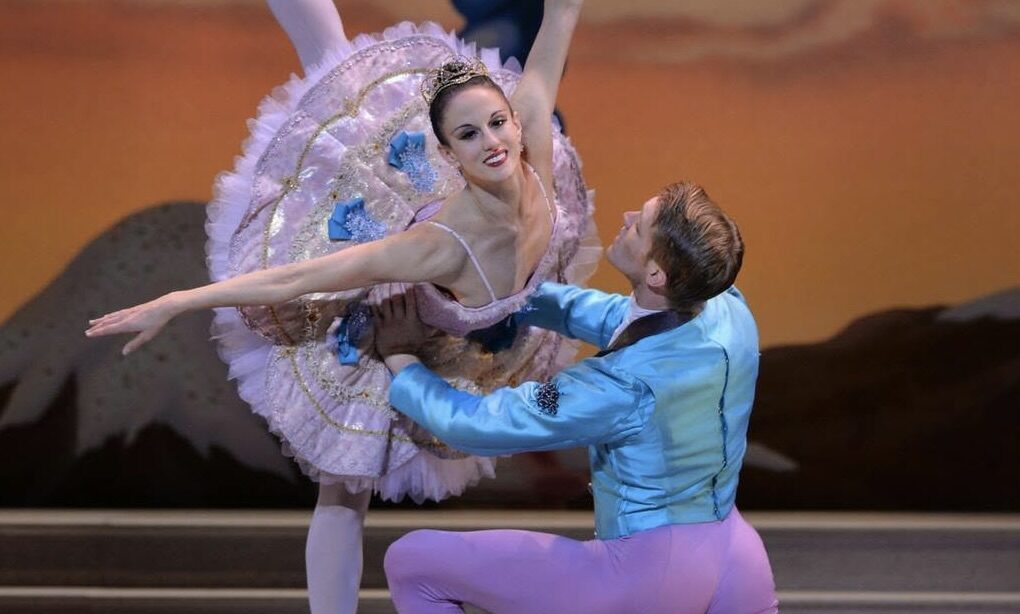
 By Cameron Lee
November 9, 2026
Every so often, someone walks into Meg Putnam’s office at Charlotte Ballet carrying a piece of the past: a signed playbill, perhaps, or another keepsake from the company’s early days.
Those keepsakes help fill in the history of a company that, by Putnam’s account, has “not quite the complete archival system.”
“The beauty is we also have a lot of supporters who have been with us since the organization moved to Charlotte,” Putnam said. “There is a verbal history that continues to be told.”
Putnam, the company’s director of philanthropy and external relations, arrived in August 2010, two months after the company opened its 34,000-square-foot home, the Patricia McBride and Jean-Pierre Bonnefoux Center for Dance, at 701 North Tryon Street. A Memphis native, she had spent about five years at Hubbard Street Dance Chicago and was, she says, “ready to leave those long winters behind.”

Charlotte had just completed its Campaign for Cultural Facilities, a public-private initiative led by the heads of Bank of America, Duke Energy and Wachovia that helped transform Uptown’s cultural landscape with a new arts campus. The effort brought the Knight Theater, the Gantt Center and the Bechtler Museum, all of which had opened just months earlier, while the Mint Museum Uptown was weeks away from opening.
“I was really encouraged and inspired by the commitment to culture in the city,” Putnam said.
She learned the company’s history the way many still do: from the people who lived it. Former company dancer Kati Hanlon Mayo, now Charlotte Ballet Academy’s associate director of the upper school, has helped pass it on. Mayo joined North Carolina Dance Theatre, as the company was known before its 2014 rebrand, as a principal dancer in 1992 and spent 17 years performing works by renowned choreographers such as George Balanchine and Alvin Ailey. Mayo and many others “have carried kind of a legacy forward,” Putnam said.
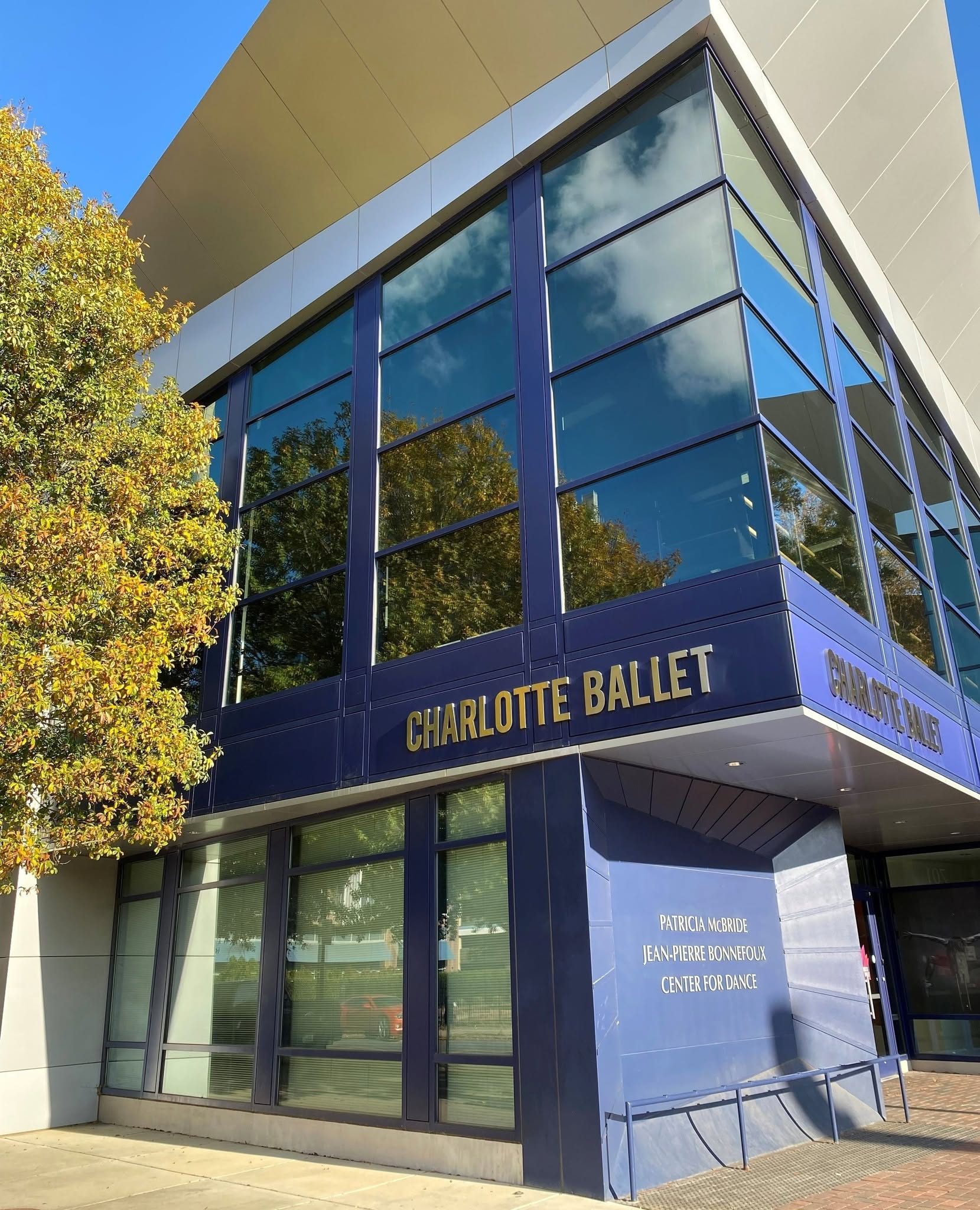
Today, the building’s modern metal panels, which extend toward the sky, echo the company’s logo, and its black box theater recently hosted an innovative program featuring the world premiere of Phoenix by the choreographic duo FLOCK, alongside Mthuthuzeli November’s From Africa With Love and Dos y Dos y Dos by artistic director Alejandro Cerrudo.
But those works are only the latest chapter in a story that began more than five decades ago in Winston-Salem.

The Origins of Charlotte Ballet
Founded in 1970 by Robert Lindgren, a former New York City Ballet soloist and the first dean of dance at the North Carolina School of the Arts in Winston-Salem, North Carolina Dance Theatre began as a professional affiliate of the school with support from the Rockefeller Foundation. Drawing on the school’s advanced dancers and working with choreographers in residence Pauline Koner and Duncan Noble, the young company performed a wide range of classical ballet and modern dance. Its early programs included works by George Balanchine, co-founder of New York City Ballet; Agnes de Mille, who choreographed the ballet Rodeo and the dances for the Broadway musical Oklahoma!; and José Limón, a pioneer of American modern dance.
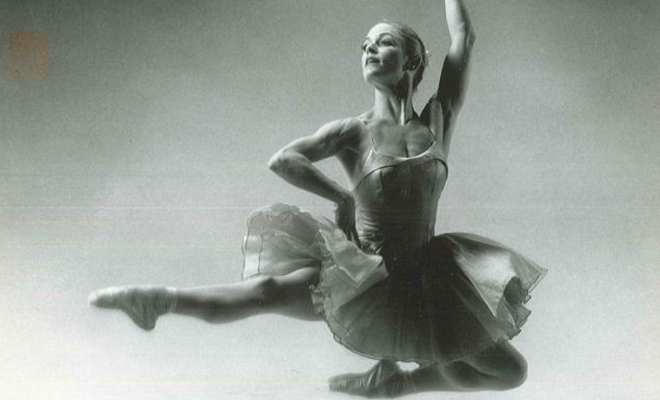
Touring almost from the start, across the country and to Italy, Switzerland and France, the company soon drew wider attention. In 1981, Pulitzer Prize-winning composer Gian Carlo Menotti invited the company to perform at both of the festivals he founded: the Festival of Two Worlds in Spoleto, Italy, and its American counterpart, Spoleto Festival USA in Charleston, South Carolina. The following year, according to Charlotte Ballet, the National Endowment for the Arts named North Carolina Dance Theatre the nation’s highest-rated touring company.
In 1984, the company debuted its first fully self-produced full-length ballet, A Midsummer Night’s Dream, a take on Shakespeare’s comedy set to Mendelssohn’s music. Its choreographer, Canadian Norbert Vesak, had directed the Metropolitan Opera’s ballet and had been creating work for North Carolina Dance Theatre since the ’70s.
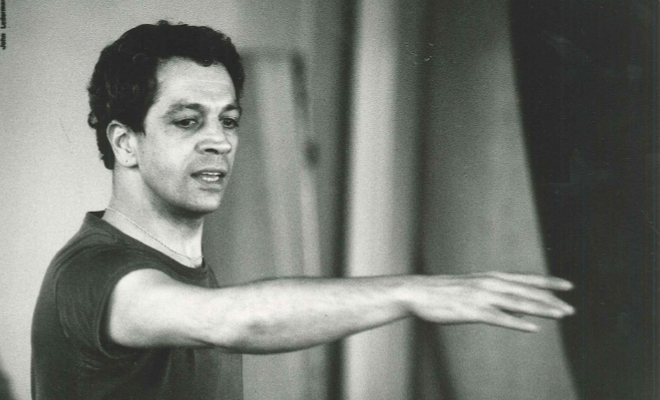
A year later, Salvatore Aiello, a former principal artist with the Royal Winnipeg Ballet who had joined the company as associate director in 1979, became the second artistic director. Touring had built the company’s reputation, but Aiello wanted support for a new Nutcracker and a school. In 1990, he moved the company to Charlotte and staged its first production of Nutcracker.
For most American ballet companies, Nutcracker is the production that introduces many new audiences to the art form and helps pay the bills.
“To really be able to be the most successful as a professional dance company and build a local audience, a Nutcracker was necessary,” Putnam said.
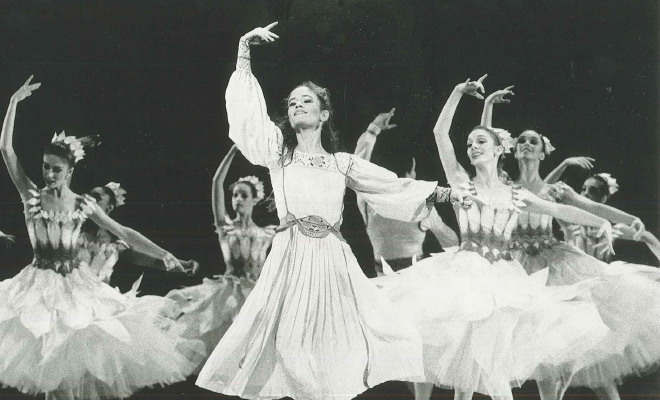
The company’s school, known as Dance Place, followed in 1993. That same year, North Carolina Dance Theatre began receiving ongoing support from the Arts & Science Council, and Aiello unveiled his interpretation of The Rite of Spring, Igor Stravinsky’s groundbreaking 1913 ballet. In 1995, the company was invited back to the Spoleto Festival, but the year ended in tragedy. Aiello died of pneumonia in October 1995, at 51, the weekend his Coppélia opened at the Belk Theater, leaving the company to find its next leader.
A Ballet Power Couple, a Permanent Home and a New Name
A new era arrived in 1996, when former New York City Ballet stars Jean-Pierre Bonnefoux and Patricia McBride, a husband-and-wife powerhouse, became artistic director and associate artistic director.
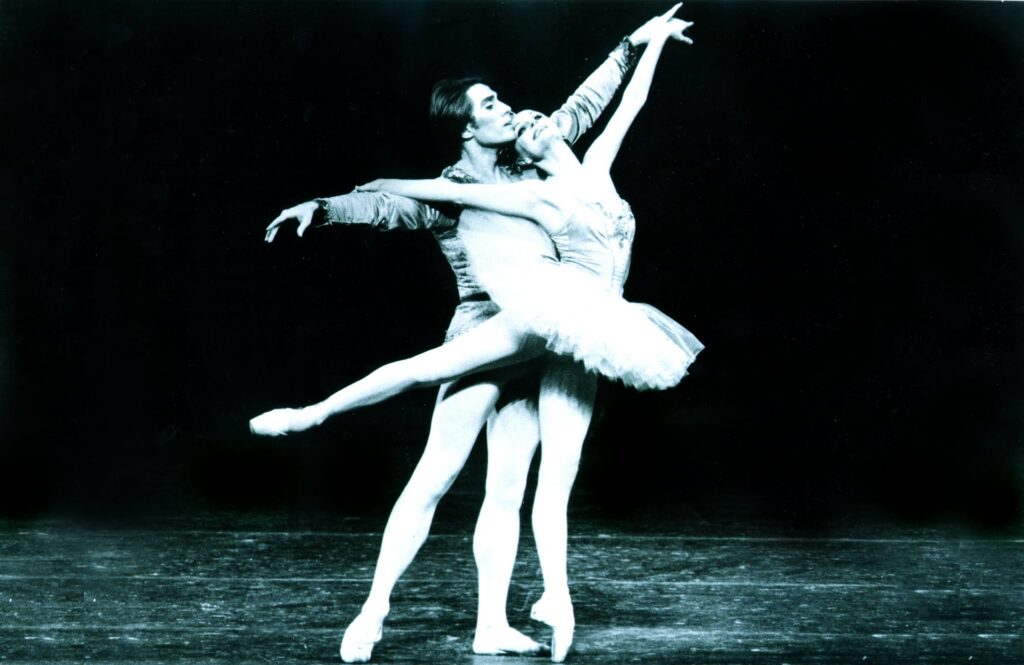
Bonnefoux, a native of France, was named a danseur étoile, the Paris Opera Ballet’s highest rank, at 21, and in 1970, George Balanchine brought him to New York City Ballet as a principal dancer. McBride, a Teaneck, New Jersey, native, became New York City Ballet’s youngest principal at 18. Over a 30-year career, she danced more than 100 ballets, 30 of them created to showcase her virtuosity and range.
In Charlotte, they raised the company’s ambitions, as Bonnefoux launched the Innovative Works series and added a second company of professional dancers in 2000. In 2004, the company performed at New York’s Joyce Theater, where Shindig, his bluegrass ballet danced to live music on stage, drew praise from The New York Times.
Bonnefoux also created the company’s own Nutcracker, which replaced Aiello’s version in the mid-2000s and grew to feature more than 100 Charlotte Ballet Academy students alongside professional dancers, accompanied by the Charlotte Symphony. In 2008, the Arts & Science Council presented the couple with its Lifetime Achievement Award in the Field of Arts in recognition of their contributions to dance and the Charlotte arts community.
McBride, meanwhile, became the company’s direct link to Balanchine, the great choreographer who shaped her career from the time she entered his School of American Ballet on scholarship at 14. For more than two decades at New York City Ballet, the two worked side by side in the studio as he created roles for her, including “Rubies” in Jewels and Who Cares?
In ballet, the most important lessons aren’t written down. They travel from body to body, one generation to the next. For three decades, McBride has carried Balanchine’s spirit into Charlotte’s studios, first as associate artistic director and now as a master instructor at Charlotte Ballet Academy.
The company finally got a home of its own, too. After nearly two decades of leasing space in Charlotte, the company broke ground in April 2009 on a new Center for Dance, funded by a capital campaign led by former Bank of America CEO Hugh McColl Jr., grants from the Arts & Science Council and the Knight Foundation, and land donated by Bank of America. At the groundbreaking, McColl announced that the building would bear the names of McBride and Bonnefoux.
The company soon reached new heights nationally, performing at the Kennedy Center’s Ballet Across America in 2010 and earning another invitation in 2013.
In 2014, after 44 years, North Carolina Dance Theatre became Charlotte Ballet, honoring the city it had called home for nearly a quarter century. For Putnam, it remains one of the most pivotal moments in its history.
“We were so excited to be able to include in our name the city that has embraced this company and that we call home,” she said.
That same year, McBride received a Kennedy Center Honor, one of the country’s most prestigious recognitions in the arts. At the December ceremony, she was celebrated alongside Al Green, Tom Hanks, Sting and Lily Tomlin, with Bonnefoux, her husband of 41 years, at her side.
Two years later, the McColl family gave $1 million for new sets and costumes for Bonnefoux’s Nutcracker, a fitting gift as his tenure neared its end. Bonnefoux retired in 2017 after 20 years of leadership, the longest of any artistic director in the company’s history, and passed away in April 2025 at 82.
Carrying the Tradition Forward
As the company settled in, its reach extended well past the theater. The school Aiello started grew into Charlotte Ballet Academy, which trains students from age 3 in creative movement through a pre-professional program for dancers in their late teens and early 20s, with classes at the Center for Dance, Charlotte Country Day and the Cain Center for the Arts. Adults with no experience can take beginner ballet and tap.
For years, the academy barely needed to advertise.
“We did not have to market a thing,” Putnam said. “Families knew where other families were going, and that’s where they wanted to be.”
The company also goes where people are. The Reach Program offers full-scholarship ballet training at five recreation centers, and through county-funded Culture Blocks programming, teaches classes for seniors and dancers of all abilities.
“We’re not dropping in for a program,” Putnam said. “We’re really building with the community so we can grow together.”
That community has become just as important to the company’s finances. Putnam says corporate giving has declined in recent years, and the Arts & Science Council’s shift away from workplace giving has brought new challenges. But they have created what she calls “a deeper direct connection to individuals.”
That connection is on full display each year at the company’s Dancing with the Stars of Charlotte Gala. Started in 2013, the gala pairs community leaders with the company’s professional dancers, each competing to raise money for the ballet and a charity of their choice.
Participants have included former Carolina Panthers wide receiver Muhsin Muhammad, Charlotte Checkers COO Tera Black, national sports broadcaster Danielle Trotta, Bank of America Charlotte President Kieth Cockrell, public relations professional and entrepreneur Brittney Bogues, daughter of Hornets legend Muggsy Bogues, and then-Charlotte 49ers head football coach Will Healy. Former Panthers running back Jonathan Stewart served as a judge in 2022 and later co-hosted the 2024 gala, former safety Roman Harper served as an emcee in 2022 and 2023, and Panthers President Kristi Coleman judged in 2024.
“Some people are showing up because their boss is dancing, their neighbor is dancing,” Putnam said. “It celebrates community. And also, [it] exposes them to Charlotte Ballet and hopefully at least puts us on their radar. It’s just a wonderful one-night, fun entry for a lot of people.”
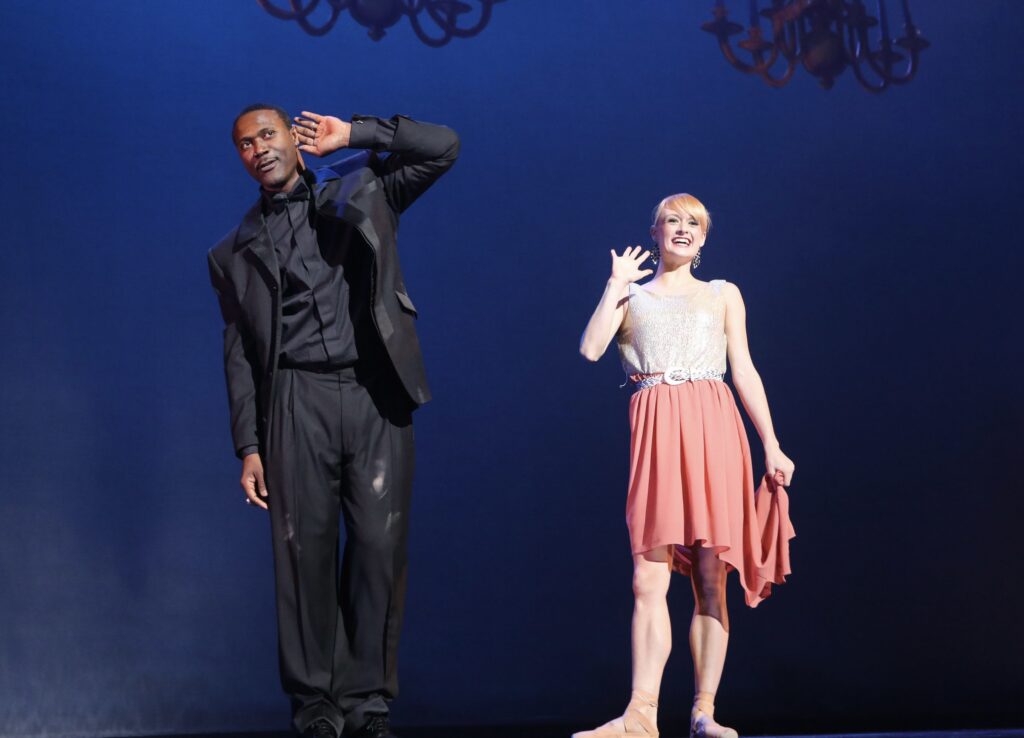
This past March, the 13th annual gala raised a record $1.84 million, with almost a third going to the local charities the stars chose to support. Since its first year, the gala has raised more than $13 million for the ballet and those charities.
When the Curtain Fell, Charlotte Ballet Found a Way Back
In 2017, following Bonnefoux’s retirement, Hope Muir became Charlotte Ballet’s fourth artistic director and the first woman to lead the company. In her first season, she introduced eight choreographers new to the company and launched the Choreographic Lab, an in-house showcase where dancers could try their hand at making work of their own. Several Lab pieces went on to be performed at the Chautauqua Institution, the historic summer arts center in western New York where the company spends part of each summer, and the series lives on today as Flip.
Then came March 2020. The company held its gala, Putnam recalls, the weekend before Mecklenburg County announced its first confirmed COVID-19 cases.
“We got that off miraculously somehow,” Putnam said.
The following Friday, March 13, the company was just hours from opening a lavish new production of Sleeping Beauty at the Knight Theater, a major investment with strong advance ticket sales. Two days earlier, the World Health Organization had declared COVID-19 a pandemic. With the public health crisis escalating, the company postponed the production.
Staff spent weeks reaching out to ticket buyers, offering a refund, the chance to bank their tickets or the option to donate. About a third donated, and about a third chose to wait. Within three months, supporters had given $1 million.
“It was such a demonstration of the passion of this community for the organization,” Putnam said.
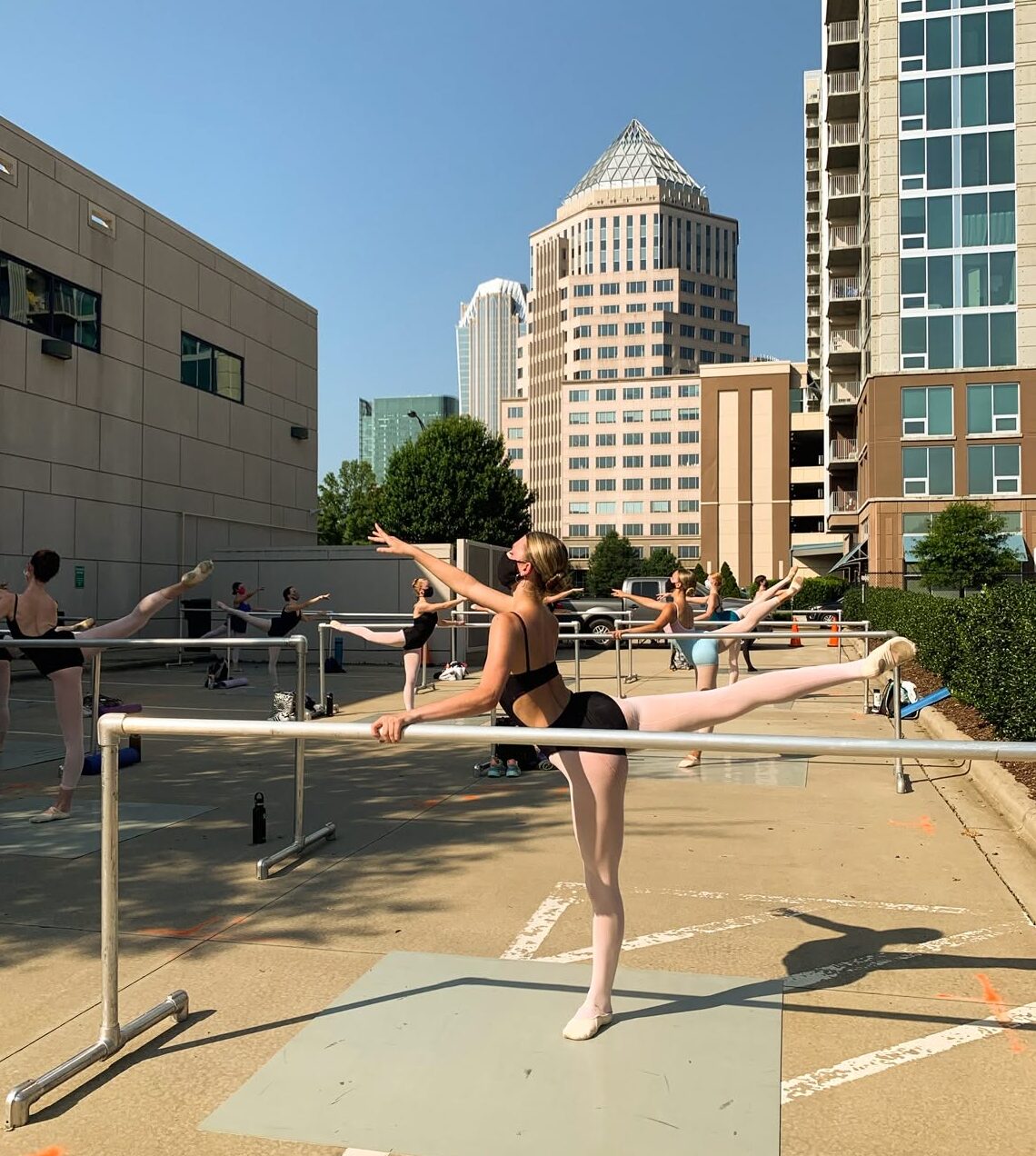
Two weeks after the cancellation, the company went online, repackaging a past program with behind-the-scenes footage, and soon dancers were performing for cameras instead of crowds through @Home With Charlotte Ballet. The academy moved to Zoom, and when students still couldn’t gather indoors, they took class in the parking lot next door. The Reach Program moved online, too.
That August, the company canceled Nutcracker, a production that accounted for more than 70% of its annual ticket sales.
“It was sort of a slow build back,” Putnam said. “We were just communicating and staying connected in the absence of actually being together.”
By December, though, the company found its way back to a live audience with A Fairy-Tailored Nutcracker, a 40-minute version with 15 dancers. Performed at the Center for Dance for audiences of just a couple dozen people, it sold out in about two hours.
The company’s 50th anniversary had to wait, too. In October 2021, a year late, it marked the milestone with a celebration at the Belk Theater, followed later that season by Innovative 1970, a program at the Center for Dance honoring its first decade.
In April 2022, after two postponements, Sleeping Beauty finally made its world premiere at the Knight Theater, more than two years after its original opening night was canceled. By then, Muir had left to lead the National Ballet of Canada, and Charlotte Ballet had named Madrid-born choreographer Alejandro Cerrudo its fifth artistic director.
The Next Chapter
Now in his fifth season, Cerrudo leads a company of 27 professional dancers who make Charlotte their home. Putnam calls him “a connected and curious and passionate artistic director,” and credits him with drawing some of the world’s top talent to Charlotte.
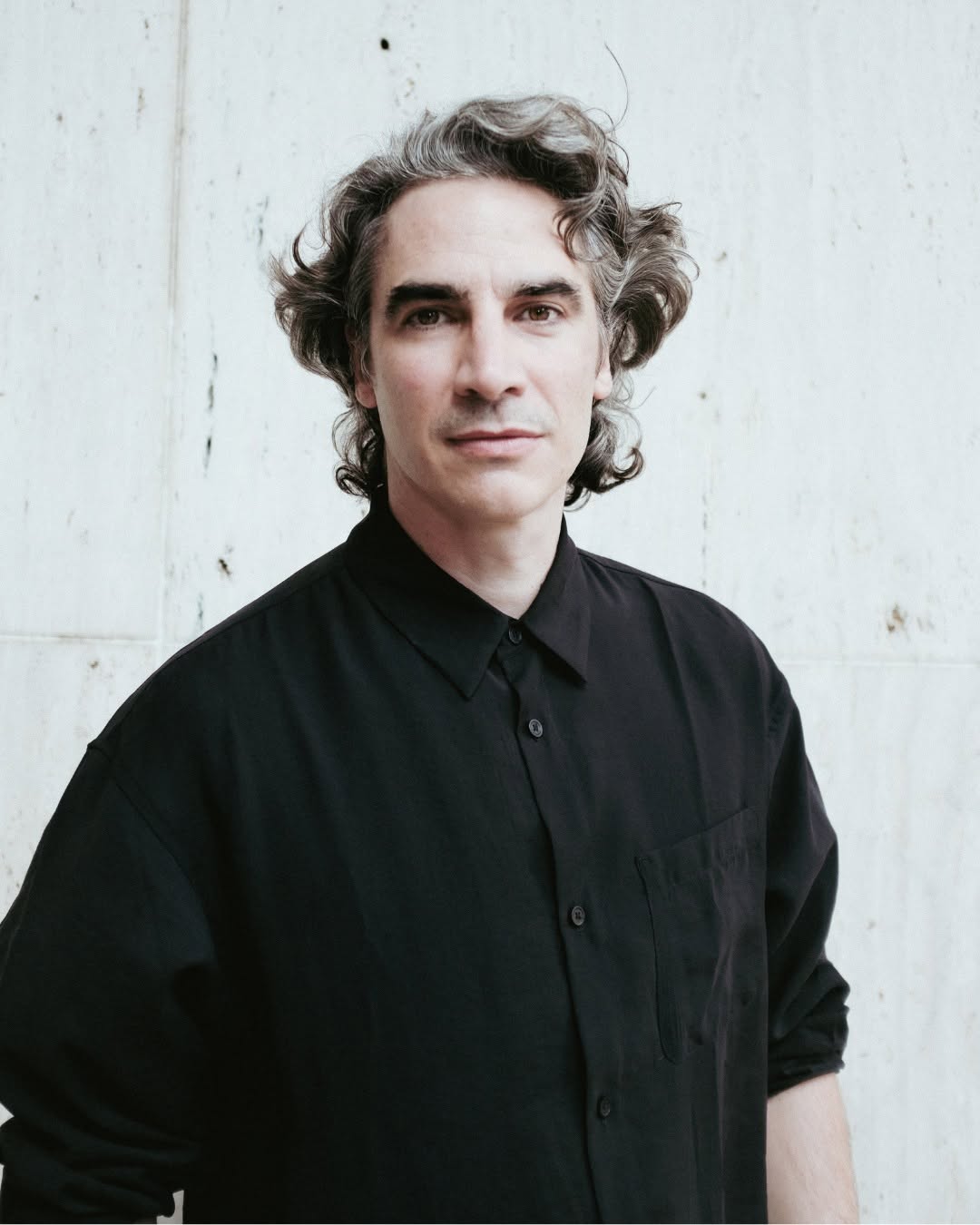
Among them is resident choreographer Mthuthuzeli November, a South African dancer and choreographer who won a Laurence Olivier Award for Best New Dance Production for Ingoma and a 2025 Benois de la Danse award for Best Choreography, one of ballet’s top international honors. November, who has also created works for The Royal Ballet and Paris Opera Ballet, has premiered three ballets in Charlotte: From Africa With Love (2023), Vibes and Variations (2024) and As I Am (2025).
The company is investing in its dancers offstage, too. A three-year partnership with Novant Health has put its first full-time athletic trainer on site, alongside two physical therapists.
“Their careers are much shorter than others,” Putnam said, “and so wanting to ensure that they can have the longest and safest career possible is what we set out to do.”
The company that once built its reputation on the road is touring again, with stops this season at Clemson University and Dance Cleveland before a January return to New York’s Joyce Theater, one of the country’s premier dance venues.
In July, the company announced that Doug Singleton would leave for The Washington Ballet after 30 years with Charlotte Ballet, including 21 as executive director. Singleton, who joined alongside Bonnefoux in 1996 after touring with Alvin Ailey American Dance Theater, led the effort to build the Center for Dance, which opened under budget and ahead of schedule.
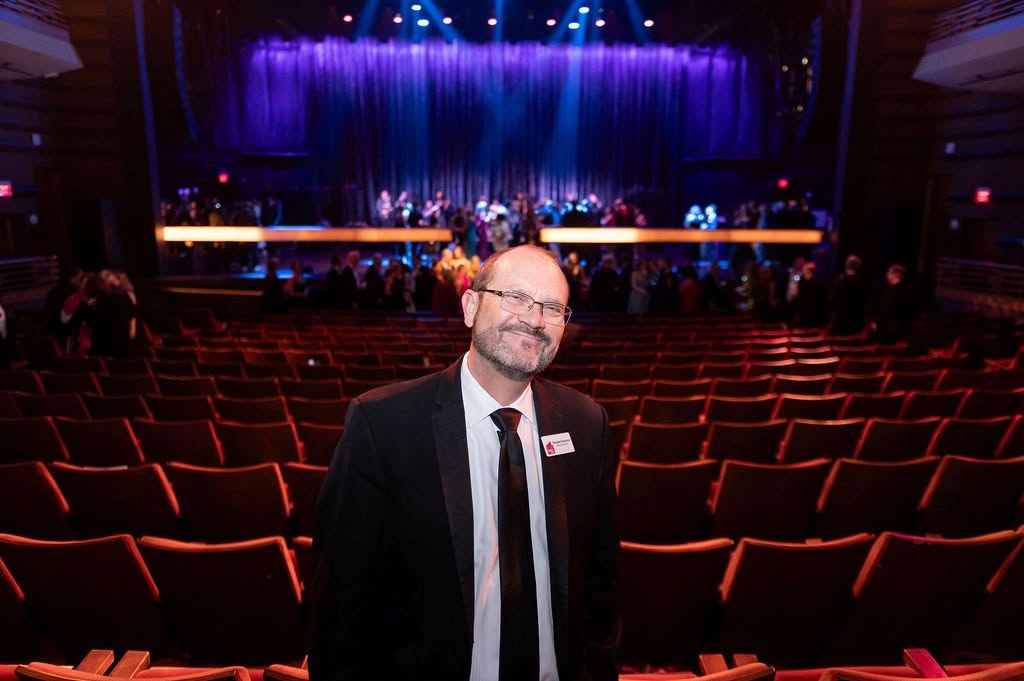
The building he helped bring to life is poised for its next chapter. Charlotte Ballet is pursuing a $60 million expansion that includes a 35,500-square-foot addition with larger studios, expanded facilities and a renovated black box theater. The broader development also includes 78 affordable housing units for artists on the adjacent property near 10th and Church streets. By July 2026, the campaign had secured $25 million, and Bank of America had donated the property.
More than 50 years after its founding, one challenge remains familiar: getting people through the door for the first time. Putnam knows some may not recognize a choreographer’s name, or may arrive with a preconceived idea of ballet, but her pitch is simple.
“Try us out for a night,” she said.
The dancers on stage, she adds, are neighbors who “could be running into you at the grocery store.” And when newcomers finally take their seats, the experience often surprises them.
“If they had a preconceived notion of what they thought they might see, we often kind of blow their minds or break that entirely,” Putnam said.
View this post on Instagram
More than half a century after first taking the stage, Charlotte Ballet is still writing its story, one first-time audience member at a time. The dancers and directors change, but the history Putnam describes is still passed along the same way, from dancer to dancer, student to student and supporter to supporter — and some may one day walk into her office with a playbill or keepsake of their own.
Charlotte Ballet’s The Nutcracker returns to Belk Theater December 4-23. Explore the company’s upcoming performances and see what’s ahead for Charlotte Ballet in the year to come. Follow Charlotte Ballet on Instagram and Facebook.
CLTureThis story is sponsored by Charlotte Ballet. Reported and written by CLTure.
Read next:
 Charlotte Events This Week: November 9-15, 2026
 Charlotte jazz musician Phillip Howe is continuing Bill Hanna’s legacy and going viral with his unique approach to music education and theory
 Concord native Ryan Davis has built his career on his own terms, offering a blueprint for independent comedians and artists
 Charlotte Ballet Resident Choreographer Mthuthuzeli November’s passion for music and his homeland comes to life in ‘From Africa With Love’
 Hornets CMO Tyrel Kirkham wants to expand marketing efforts built around storytelling and cultural connection
 For nearly seven decades, Biggs Camera has been a hub for the photography community in Charlotte
 Candace Parker is partnering with Score More Sports to open a sports card store in Charlotte’s University City
 Gorillaz brought an ensemble, catalog-spanning set to Charlotte with Deltron 3030, Little Simz and Posdnuos
 Muggsy Bogues’ story is one of defying the odds, and his legacy extends far beyond the court
 From humble beginnings to esteemed accolades, Chef Robin Anthony’s journey is a truly unique Charlotte immigrant success story.
 Leon Bridges announces 2027 tour following the release of his latest album produced by J Lloyd and Lydia Kitto of Jungle
 Kacey Musgraves’ Charlotte tour stop was equal parts heartfelt musicianship and dazzling visual spectacle
 Charlotte viral comedian Julian Cross wants to make the world a little better — and make you laugh
 Makayla Binter is a creative connector and catalyst for Charlotte’s arts scene
 Soul royalty The Womack Sisters, granddaughters of Sam Cooke and nieces of Bobby Womack, are coming to Charlotte in January