 By
October 20, 2026
Photo: Alex Cason / CLTure
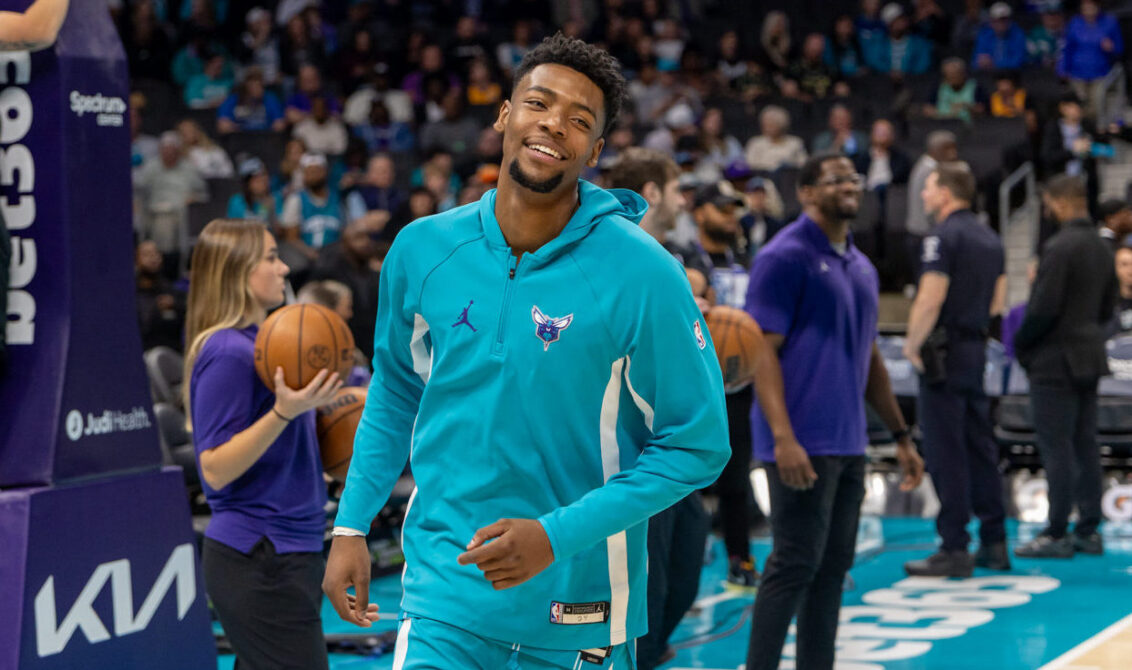
With less than an hour remaining before the 6 p.m. deadline on October 19, ESPN’s Shams Charania reported that the Hornets had agreed to a five-year, $209 million contract extension with Brandon Miller.
BREAKING: Charlotte Hornets forward Brandon Miller has agreed on a five-year, $209 million rookie-scale contract extension, representatives AJ Vaynerchuk and Joey Middleton of VaynerSports tell ESPN. https://t.co/6enF8nrHOB
— Shams Charania (@ShamsCharania) October 19, 2026
Miller’s deal is now the second-largest contract awarded to a player from the 2023 draft class, behind only Victor Wembanyama. His deal surpasses Amen Thompson’s by just $1 million, a relatively insignificant sum by NBA standards but enough to secure the No. 2 spot outright. That distinction carries symbolic weight, underscoring how even the smallest financial differences can matter in contract negotiations.

The deal is the largest in Hornets history by total guaranteed value, surpassing the five-year, $203.9 million extension LaMelo Ball signed in 2023. While the headline figure is eye-catching, context is important. Miller’s deal falls short of the $252 million maximum he was eligible for and, relative to the salary cap, is actually smaller than Ball’s extension was when it was signed. Miller’s contract is projected to average approximately 21.4% of the salary cap, compared with 24.9% for Ball’s extension.
To put that into perspective, players earning a similar percentage of the salary cap this season include Rudy Gobert, Aaron Gordon, Michael Porter Jr., Julius Randle and Jalen Green. With the possible exception of Green, whose recent seasons have been disappointing, that group consists of high-end starters who have demonstrated All-Star-caliber play at various points in their careers. In that sense, the Hornets are not paying Miller as a franchise-defining superstar. They are paying him as a player they believe can consistently perform at the next tier below and help build a future contending team.
What makes the extension particularly interesting is the way it has been structured:
2027-28: $44,000,000
2028-29: $41,200,000
2029-30: $37,680,000
2030-31: $41,200,000
2031-32: $44,720,000
Unlike the traditional NBA contract structure, where salaries typically rise each year, Miller’s deal declines before increasing again in the final two seasons. On the surface, it appears unusual, but the structure likely reflects both sides’ efforts to balance competing priorities.
Charlotte currently has considerable financial flexibility, but the years that matter most for roster construction are likely to come later in the decade. The lowest point of Miller’s contract coincides with the period when Kon Knueppel could be due for a significant extension of his own. By reducing Miller’s cap hit during those years, the Hornets create additional room to retain talent and continue building around their young core.
At the same time, Miller and the Hornets would have had little incentive to agree to a contract that continually declined in value. Under the current collective bargaining agreement, veteran extensions can begin at up to 140% of a player’s previous salary. A significantly lower final-year salary could reduce the baseline for Miller’s next extension, potentially making him more inclined to test free agency rather than sign another extension. The compromise appears to be a structure that gives Charlotte additional flexibility in the middle years of the deal while preserving a strong earning platform for Miller’s next contract.
So, did the Hornets make the right decision?
In a previous article for CLTure, I projected a contract in the $180 million to $200 million range. The reasoning was simple: Miller was worth that level of investment. Ideally, when a team signs a player before restricted free agency, particularly one with an injury history, there should be some financial benefit for assuming that risk.
Even so, there is a very realistic scenario in which the deal looks team-friendly within a few years.
Miller is expected to take on a greater offensive burden this season, and perhaps more importantly, he may finally have the opportunity to spend future offseasons developing rather than rehabilitating. Injuries have disrupted consecutive summers that otherwise could have been spent refining his game. For a young player still years away from entering his prime, that matters.
It is also easy to overlook the relationship and team chemistry aspects of these negotiations. The Hornets’ ownership and front office have consistently stressed culture, alignment and togetherness since arriving in Charlotte. Failing to reach an agreement with one of the franchise’s cornerstone players would not necessarily have been disastrous, but it would have risked introducing an element of uncertainty and disruption that the organization likely had little appetite for.
Miller has also earned considerable trust internally. Last season, he continued to play through a shoulder injury that eventually required surgery. Many players in a similar position, particularly on a team that had started slowly, might have opted to undergo the procedure much earlier. Instead, Miller battled through it and remained available, playing a key role behind the team’s turnaround. That alone does not justify a $209 million extension, but it helps explain why the organization views him as someone worth making a long-term commitment to.
There is also a broader message attached to this deal. For years, the Hornets carried a reputation, fair or otherwise, for being reluctant spenders. The departure of franchise icon Kemba Walker in free agency remains one of the defining moments in shaping that perception. By committing more than $200 million to Miller, Charlotte is signaling to its own players and future free agents around the league that ownership is prepared to invest heavily in talent it believes in.
Ultimately, considering his injury history, the contract should have come closer to $200 million, in my opinion, but the structure of the deal shifts some of the favorability, as the Hornets found a way to create some future flexibility in crucial years without sacrificing their relationship with one of the most important players on the roster.
Miller will undoubtedly be asked to take on greater responsibilities this season. Now, however, he can do so without the uncertainty of contract negotiations hanging over him. For both sides, the focus shifts from securing the future to proving that this investment was worth making.
Check out the full 2026-27 Charlotte Hornets schedule.
Read next: